


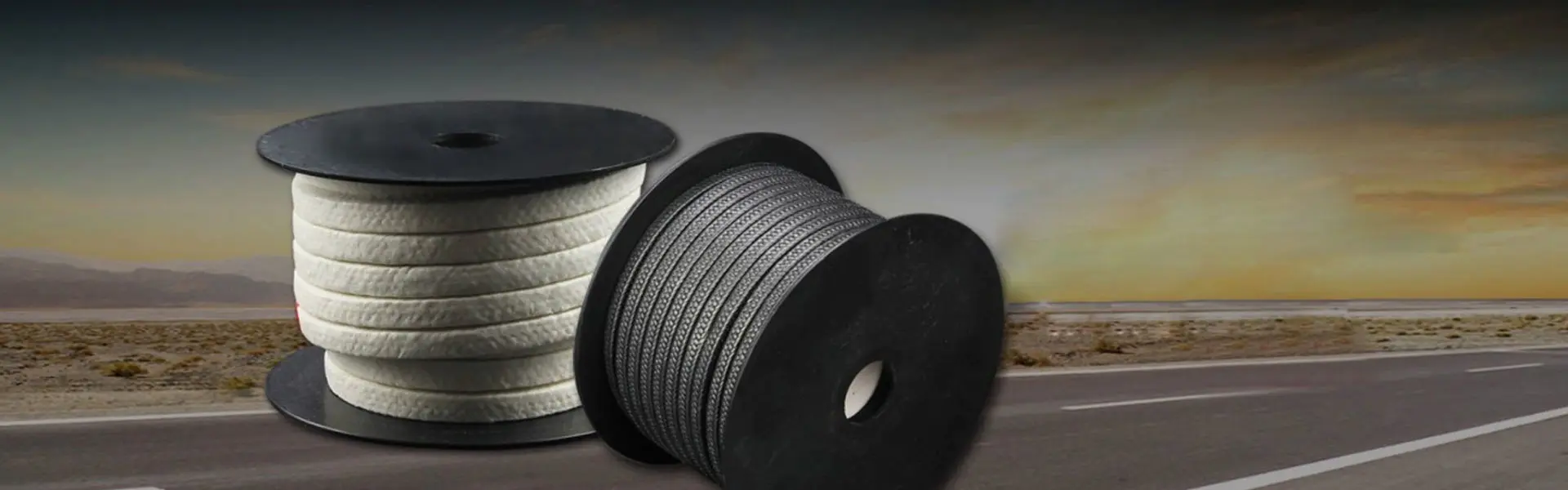
In industrial maintenance, pipeline integrity, and marine applications, protecting metal surfaces from corrosion is a constant and costly challenge. Corrosion, the gradual destruction of materials by chemical or electrochemical reaction with their environment, leads to structural weaknesses, leaks, product loss, and eventually, catastrophic failures. This is where a specialized and highly effective solution comes into play: Anti-Corrosion Tape. At Kaxite Seals, we engineer our tapes to provide a robust, long-lasting barrier against corrosive elements, ensuring the longevity and safety of your critical assets.
Anti-Corrosion Tape is a composite material typically consisting of a flexible backing (like polyethylene or PVC) coated with a thick, conformable bitumen- or butyl-based adhesive. This adhesive layer is the key—it's non-hardening, remains pliable for decades, and creates a perfect seal that blocks moisture, oxygen, salts, and chemicals from reaching the metal substrate. It is commonly used for field joints on pipelines, repairs on pipelines and tanks, protecting welds, and safeguarding metal structures in harsh environments like offshore platforms, chemical plants, and coastal installations.
Not all anti-corrosion tapes are created equal. Kaxite Seals has spent years perfecting our formulation and manufacturing process to deliver a product that stands up to the most demanding specifications. Our tape is designed for easy application, exceptional adhesion, and unwavering performance across a wide temperature range.
Key Advantages of Choosing Kaxite Seals:
Understanding the technical specifications is crucial for selecting the right product for your project. Below are the detailed parameters for the standard Kaxite Seals Anti-Corrosion Tape.
| Property | Test Method | Typical Value / Specification |
|---|---|---|
| Total Thickness | ASTM D1000 | 1.1 mm ± 0.1 mm |
| Adhesive Layer Thickness | Micrometer | 0.7 mm ± 0.05 mm |
| Backing Material | - | UV-stabilized Polyethylene (PE) Film |
| Adhesive Type | - | Non-hardening, Petroleum Bitumen Compound |
| Tensile Strength | ASTM D1000 | ≥ 25 N/cm |
| Elongation at Break | ASTM D1000 | ≥ 200% |
| Adhesion to Steel (Peel Strength) | ASTM D1000 | ≥ 20 N/cm |
| Property | Test Method | Typical Value / Specification |
|---|---|---|
| Operating Temperature Range | - | -30°C to +80°C (Continuous) |
| Cathodic Disbondment (at 23°C, 28 days) | ASTM G8 / EN 12068 | ≤ 8 mm radius |
| Dielectric Strength | ASTM D1000 | ≥ 30 kV/mm |
| Water Vapor Transmission | ASTM E96 | ≤ 0.1 g/m²/24h |
| Chemical Resistance | Immersion Test | Resistant to Dilute Acids, Alkalis, Salts |
Q: What surface preparation is required before applying Kaxite Seals Anti-Corrosion Tape?
A: Surface preparation is the single most important factor for long-term performance. The metal surface must be clean, dry, and free of rust, mill scale, dust, grease, or old coating residues. For optimal results, abrasive blast cleaning to a minimum standard of Sa 2½ (ISO 8501-1) or power tool cleaning to St3 is recommended. The surface profile (anchor pattern) should be between 50-90 microns. Immediately before tape application, remove any dust with a clean, dry cloth.
Q: Can this tape be used on underground or submerged pipelines?
A: Yes, absolutely. Kaxite Seals Anti-Corrosion Tape is specifically designed for buried and submerged service. Its excellent water resistance, low water vapor transmission rate, and high dielectric strength make it an ideal choice for protecting pipelines, joints, and fittings in direct soil burial or underwater environments. It is compatible with Cathodic Protection (CP) systems, as evidenced by its low cathodic disbondment rating.
Q: What is the proper application technique to ensure a good seal?
A: Start with a primed surface if specified for your project (compatible primer can be supplied). Unroll the tape and apply it with consistent tension, stretching it slightly (approx. 10-15%) to ensure conformity. Apply in a spiral wrap with a 55% overlap (minimum 25mm or 1 inch). For joints and fittings, use a "packing" or "dressing" technique, stretching and molding the tape to cover all contours without wrinkles or air pockets. Use a roller to apply firm pressure over the entire surface to activate the adhesive and eliminate voids.
Q: How long does the corrosion protection last?
A: The service life of Kaxite Seals Anti-Corrosion Tape is extensive and depends on environmental conditions and application quality. When applied correctly to a properly prepared surface, the tape system is designed to provide effective corrosion protection for a design life exceeding 30 years in typical soil and immersion conditions. The non-hardening adhesive ensures the seal remains active and self-healing for decades.
Q: Is the tape resistant to soil stress and rock impingement?
A> The polyethylene backing provides good mechanical resistance. However, in rocky soil or areas with high ground stress, it is standard practice and highly recommended to use an outer mechanical protection layer, such as a rock shield, concrete padding, or a specialty outerwrap, over the taped area. This protects the tape from gouging, tearing, or excessive compression during backfilling and over the long term.
Q: Can it be used for repairing existing corroded areas or old coatings?
A: Yes, it is an excellent product for repair and rehabilitation. The area must be thoroughly prepared by removing all loose rust, scale, and failing coating. The surface should be cleaned back to a sound, firm substrate. Feather the edges of the existing coating. After cleaning, the Kaxite Seals tape can be applied directly over the prepared area, extending well onto the sound existing coating to create a seamless, waterproof overlap. It is a cost-effective method for extending the life of aging infrastructure.
Q: What are the storage conditions for the tape?
A> Store rolls in a cool, dry place away from direct sunlight, heat sources, and chemicals. The ideal storage temperature is between 10°C and 25°C. Rolls should be stored on their end, not laid flat, to prevent deformation. The product has a shelf life of 24 months from the date of manufacture when stored under these recommended conditions.


