


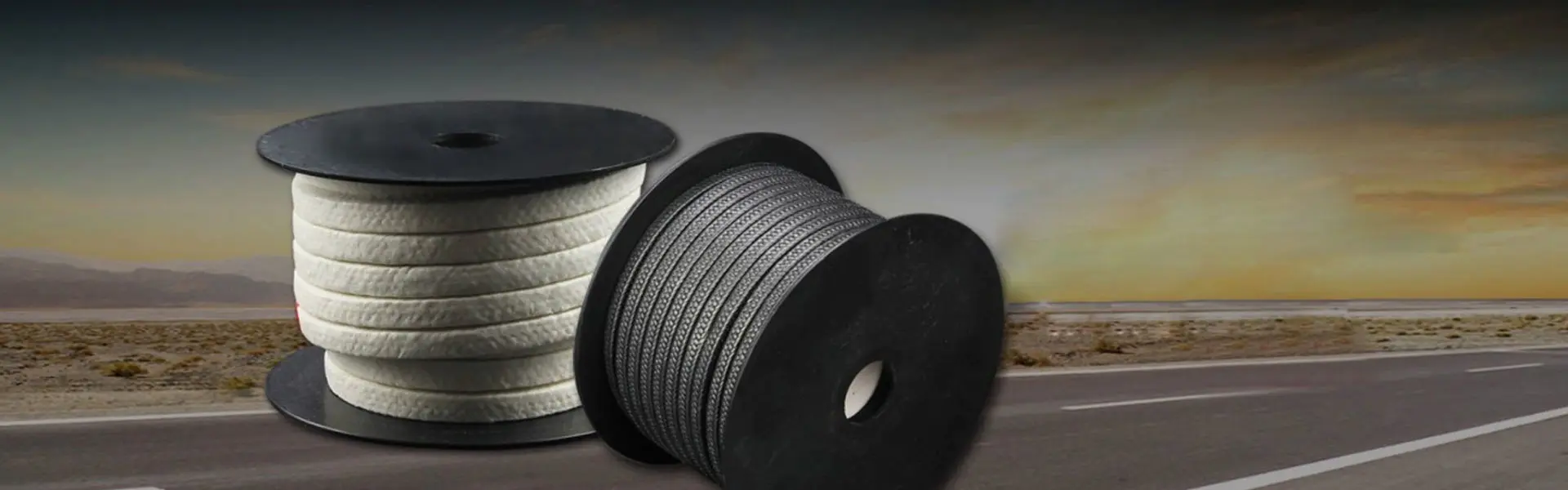
For over two decades, our team at Kaxite Seals has engineered high-performance sealing solutions for the world's most critical industries. Among the most versatile and widely used materials we specialize in is PTFE, or Polytetrafluoroethylene. Renowned for its exceptional chemical resistance and broad operational temperature range, PTFE parts are indispensable in applications where failure is not an option. This comprehensive guide dives deep into the properties, specifications, and practical considerations of PTFE components, providing the technical insight needed for optimal material selection.
PTFE is a synthetic fluoropolymer of tetrafluoroethylene, first discovered in 1938. It is characterized by a unique molecular structure consisting of a strong carbon backbone surrounded by fluorine atoms. This structure grants it a combination of properties not found in any other single material. Its most celebrated feature is its supreme chemical inertness; it is resistant to virtually all commercial chemicals and solvents. Furthermore, PTFE possesses an extremely low coefficient of friction, is non-stick, has excellent electrical insulation properties, and remains flexible across a wide temperature spectrum.
While virgin PTFE is exceptional, its performance can be tailored for specific engineering challenges through the addition of fillers. At Kaxite Seals, we formulate advanced compounds to enhance key characteristics like wear resistance, compression strength, and thermal conductivity.
| Compound Type | Primary Fillers | Key Enhanced Properties | Ideal Applications |
|---|---|---|---|
| Glass-Filled PTFE | Glass Fiber | Improved wear resistance, reduced creep (cold flow), increased stiffness. | Bushings, bearings, thrust washers, gaskets in rotary/piston equipment. |
| Carbon-Filled PTFE | Carbon Graphite | Superior wear resistance, excellent thermal conductivity, lower friction. | Compressor rings, seals in dry-running applications, high-load bearings. |
| Bronze-Filled PTFE | Bronze Powder | Greatly improved thermal conductivity, high compressive strength, excellent wear life. | Bearings and seals in high-load, low-speed applications; piston rings. |
| Stainless Steel Filled | Stainless Steel Powder | High compressive strength, excellent creep resistance, good chemical resistance. | Heavy-duty backup rings, valve seats, components in corrosive environments. |
| MoS2 (Moly)-Filled | Molybdenum Disulfide | Enhanced compression resistance, lower friction, improved wear in vacuum environments. | Seals and gaskets in aerospace, vacuum systems, and high-pressure static seals. |
Selecting the correct PTFE part requires careful consideration of its physical and mechanical specifications. Below is a detailed breakdown of standard parameters for virgin and common filled grades offered by Kaxite Seals.
| Property (ASTM Test) | Virgin PTFE | 25% Glass Filled | 15% Carbon Filled | 60% Bronze Filled |
|---|---|---|---|---|
| Density (g/cm³) - D792 | 2.15 - 2.20 | 2.20 - 2.30 | 2.05 - 2.15 | 3.20 - 3.50 |
| Tensile Strength (psi) - D638 | 3,000 - 5,000 | 2,500 - 3,500 | 2,200 - 3,000 | 1,800 - 2,500 |
| Elongation at Break (%) - D638 | 300 - 500 | 200 - 350 | 150 - 300 | 100 - 200 |
| Compressive Strength (psi) - D695 | 1,700 | 2,500 | 2,800 | 4,500 |
| Coefficient of Linear Thermal Expansion (in/in/°F x 10-5) - D696 | 5.5 | 4.0 | 4.5 | 3.5 |
| Thermal Conductivity (BTU-in/hr-ft²-°F) - C177 | 1.7 | 1.9 | 2.5 | 7.0 |
| Max PV (Dry Running) (psi x fpm) | 1,000 - 2,000 | 10,000 - 15,000 | 15,000 - 25,000 | 20,000 - 30,000 |
What are the main limitations of virgin PTFE?
Virgin PTFE has two primary limitations: creep (or cold flow) and relatively low wear resistance. Under continuous load, it can slowly deform over time. It also can wear faster than filled compounds in abrasive or high-load dynamic applications. This is why filler materials like glass, carbon, or bronze are added to improve these mechanical properties for demanding uses.
Can PTFE parts be used for food and pharmaceutical applications?
Yes, but with critical qualifications. Virgin, unfilled PTFE is generally considered inert and safe for food contact and is compliant with regulations like FDA 21 CFR 177.1550. However, for certified applications, it is essential to use PTFE grades specifically manufactured and documented for food, beverage, or pharmaceutical use. Filled compounds require careful evaluation, as fillers may not be compliant. Kaxite Seals provides fully traceable and compliant grades for these sensitive industries.
How do I choose between different filled PTFE compounds?
The choice depends on your application's dominant requirement. For general wear resistance and stiffness, glass-filled is a standard choice. For superior wear and thermal conductivity in dry or lubricated settings, carbon-filled is excellent. For the highest load capacity and thermal conductivity, bronze-filled is optimal. For maximum creep resistance and strength in corrosive settings, stainless steel filled is recommended. Consulting with an application engineer at Kaxite Seals is the best way to match the compound to your specific pressure, temperature, media, and motion conditions.
What are the machining considerations for PTFE components?
PTFE is soft and has a high coefficient of thermal expansion. Sharp, high-speed steel or carbide tools are necessary to achieve clean cuts and fine finishes. The material's plasticity requires proper fixturing to prevent distortion during machining. Due to its low thermal conductivity, heat can build up at the cutting edge; using coolants (often air) is advisable. Post-machining, parts may require stress-relieving annealing for critical dimensional stability.
What is the difference between molded and skived PTFE sheet for gaskets?
Molded sheet is created by compressing PTFE resin in a mold under high pressure and then sintering it. It has isotropic properties (uniform in all directions) but may have slight thickness variations. Skived sheet is produced by shaving (skiving) a thin layer from a solid, sintered PTFE cylinder (billet). Skived sheet offers superior dimensional consistency and surface finish, making it ideal for precision gaskets, diaphragm, and liner applications where thin, uniform material is needed.
How does temperature affect the performance of PTFE seals?
PTFE retains its flexibility and sealing force at cryogenic temperatures far below where elastomers become brittle. At elevated temperatures, its mechanical strength decreases, and creep increases. For service above 400°F (204°C), filler selection becomes crucial to maintain seal integrity. The thermal expansion of PTFE is also high, so gland design must accommodate dimensional change across the operating temperature range to maintain proper sealing stress.
Are there any chemicals that attack PTFE?
PTFE is attacked by only a few highly reactive substances under specific conditions. These include molten alkali metals (e.g., sodium, potassium), certain fluorine compounds (like chlorine trifluoride) at high temperature and pressure, and some organic materials in plasma states. For nearly all industrial chemical services, from strong acids like sulfuric and hydrochloric to aggressive solvents like acetone and toluene, PTFE parts from Kaxite Seals offer unparalleled compatibility and longevity.


