


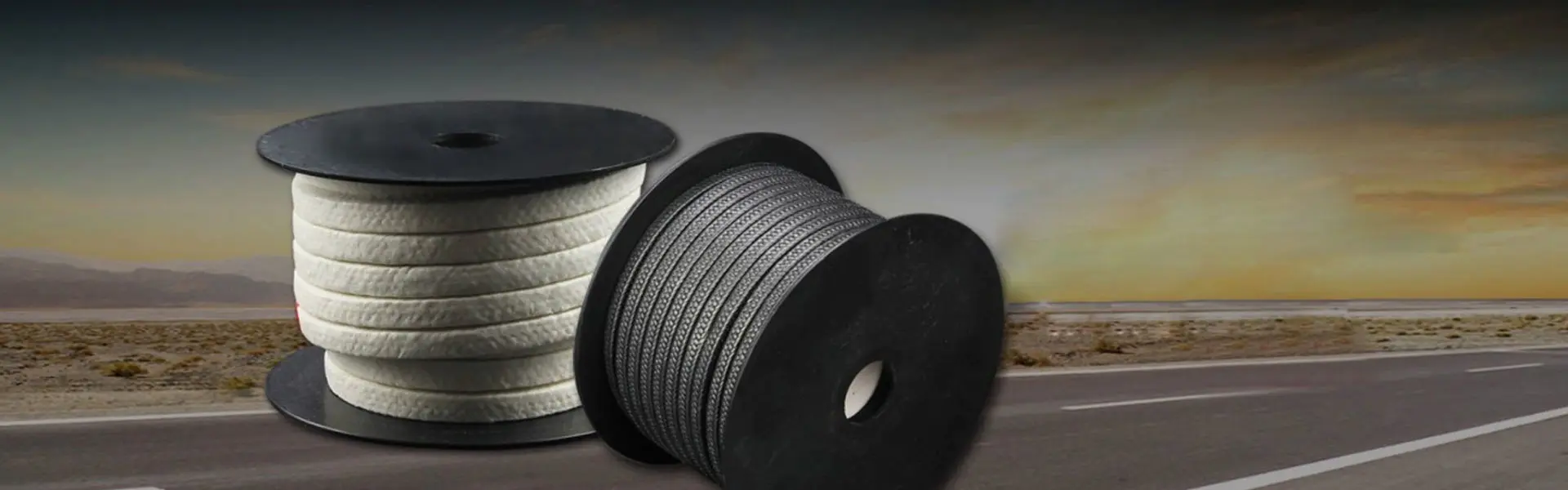
In today's demanding industrial and commercial environments, effective thermal management is not a luxury—it's a necessity. From protecting sensitive equipment to ensuring energy efficiency and personnel safety, the role of high-performance Insulation Products is paramount. Kaxite Seals stands at the forefront of this field, engineering solutions that meet rigorous standards for temperature resistance, durability, and reliability. This guide delves into the technical specifications, application scenarios, and critical considerations for selecting the right insulation materials for your project.
Kaxite Seals offers a diversified portfolio of insulation materials, each designed to address specific thermal, acoustic, and environmental challenges. Understanding the parameters is key to making an informed selection.
Ideal for furnace linings, boiler insulation, and high-heat process equipment.
Used extensively in HVAC/R systems, plumbing, and for condensation control on chilled water lines.
| Parameter | Specification Range (Kaxite Seals FEF Series) | Testing Standard |
|---|---|---|
| Temperature Range | -40°C to 105°C (-40°F to 221°F) | ASTM C411 |
| Thermal Conductivity (k-value) | 0.036 - 0.040 W/m·K at 24°C (mean) | ASTM C518 |
| Water Vapor Transmission (WVT) | < 0.10 perm-inch (Excellent vapor barrier) | ASTM E96 |
| Fire Performance | ASTM E84 Class 1 / Flame Spread ≤25, Smoke Developed ≤50 | ASTM E84 |
| Available Thickness | 6mm to 50mm (1/4" to 2") | - |
Versatile products for fire protection, acoustic insulation, and general thermal insulation in walls, roofs, and industrial piping.
Q: How do I determine the correct thickness of insulation needed for a pipe or duct?
A: The required thickness depends on several factors: the operating temperature of the pipe/duct (hot or cold), the desired surface temperature (for personnel protection or condensation prevention), the ambient temperature and humidity, and the specific thermal conductivity (k-value or R-value) of the insulation material. For cold systems, it's critical to calculate a thickness that keeps the surface above the dew point to prevent condensation. For hot systems, it's about achieving target heat loss reduction or surface temperature. Kaxite Seals provides detailed engineering calculators and support to perform these calculations based on recognized standards like ASTM C680.
Q: What is the difference between thermal conductivity (k-value) and thermal resistance (R-value)?
A: Thermal conductivity (k-value) is an intrinsic material property. It measures the rate at which heat passes through a specific material of a given thickness. A lower k-value indicates a better insulating material. Thermal resistance (R-value) is a measure of an insulation product's overall resistance to heat flow for a specific thickness. It is calculated as thickness divided by k-value (R = thickness/k). Therefore, R-value depends on both the material's k-value and its installed thickness. When comparing products, ensure you are comparing R-values at the same thickness or k-values directly.
Q: Are Kaxite Seals insulation products suitable for outdoor or exposed applications?
A: Many Kaxite Seals products are designed for outdoor use, but they typically require a protective jacketing or coating. Materials like mineral wool or ceramic fiber can degrade if exposed to prolonged moisture and UV radiation. For outdoor applications, we recommend specifying an appropriate protective layer such as aluminum, stainless steel, or PVC jacketing, or a specialized mastic or coating. Our technical team can advise on the best jacketing material based on environmental exposure (rain, sun, chemical splash, mechanical abuse).
Q: How important is fire performance in insulation selection, and what ratings should I look for?
A: Fire performance is critical, especially in commercial buildings, industrial plants, and HVAC systems penetrating fire-rated walls/floors. Key ratings include:
Q: Can insulation products also provide effective acoustic noise control?
A: Absolutely. Many insulation materials serve dual purposes. Mineral wool and fiberglass boards are particularly effective at absorbing airborne sound, reducing noise transmission through walls, ceilings, and ductwork (acoustic lagging). The porous, fibrous structure traps sound waves. For mechanical equipment noise, dense materials like mass-loaded vinyl combined with insulation can provide both thermal and acoustic benefits. When specifying for acoustics, look for metrics like Noise Reduction Coefficient (NRC) and Sound Transmission Class (STC). Kaxite Seals offers products with documented acoustic test data to meet your noise control specifications.
Q: What are the key considerations for insulating high-temperature equipment above 800°C?
A: Insulating above 800°C requires specialized materials. Key considerations include:
Selecting insulation involves balancing multiple factors:


