


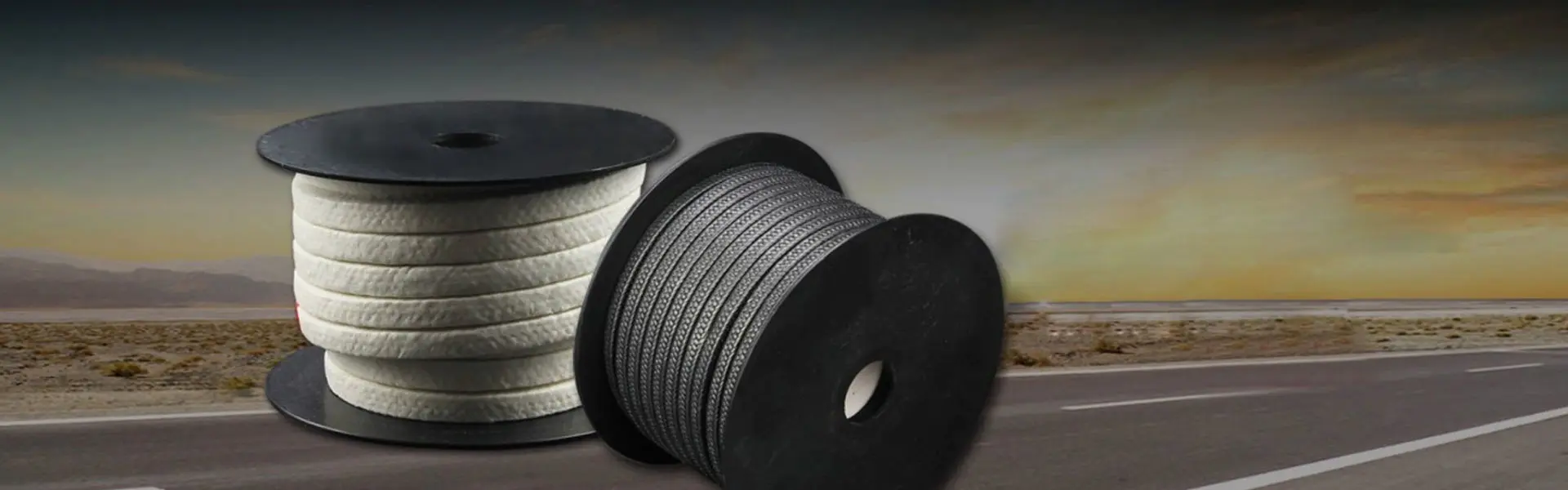
In the demanding world of industrial fluid sealing, the integrity of a Machines For Spiral Wound Gaskets is paramount. This integrity begins not at installation, but at the moment of manufacture. Precision-engineered machinery for spiral wound gaskets is the critical foundation for producing seals that meet rigorous international standards, withstand extreme pressures and temperatures, and ensure long-term, leak-free operation in pipelines, pressure vessels, and heat exchangers. At Kaxite Seals, we understand that the quality of the gasket is inextricably linked to the sophistication and reliability of the machine that creates it. This guide explores the technical specifications, operational principles, and key considerations of these specialized machines, providing a detailed resource for procurement specialists, plant managers, and engineers.
A modern spiral wound gasket machine is a complex electro-mechanical system designed to automate and precisely control the winding process. Its primary function is to interlock a pre-metallic strip (typically V-shaped) with a non-metallic filler material (such as graphite, PTFE, or ceramic) around a central metal mandrel, forming a robust, spiral-wound structure. The core components include:
Selecting the right machine requires a deep dive into its technical specifications. The following parameters define the capability, versatility, and output quality of a spiral wound gasket machine.
| Parameter | Specification Range (Kaxite Seals Standard Models) | Importance |
|---|---|---|
| Gasket Inner Diameter (ID) Range | 15 mm (0.6") to 3000 mm (120") | Determines the minimum and maximum pipe or flange size the machine can accommodate. |
| Gasket Width (Wind Height) Range | 4.5 mm to 25 mm (Standard); up to 50 mm (Custom) | Defines the radial thickness of the gasket cross-section, impacting pressure rating. |
| Metallic Strip Width | 2.0 mm, 2.5 mm, 3.0 mm, 4.5 mm | Standard widths that correspond to common gasket series (e.g., 4.5mm for standard pressure applications). |
| Metallic Strip Thickness | 0.15 mm to 0.30 mm (304/316 SS); Other grades vary | Directly influences gasket flexibility, recovery, and maximum seating stress. |
| Winding Speed | Up to 250 RPM (variable speed control) | Affects production cycle time while maintaining precision at lower speeds for complex profiles. |
| Power Requirements | 3-Phase, 380-415V, 50/60 Hz, 5-10 kW | Standard industrial power for consistent operation. |
| Machine Footprint | Approx. 2.5m (L) x 1.8m (W) x 1.8m (H) | Critical for workshop floor planning and installation. |
| Control System | PLC with Touchscreen HMI, Data Logging | Ensures repeatability, stores programs, and allows for precise parameter adjustments. |
Kaxite Seals machines are engineered to process a wide array of materials to meet diverse application needs.
| Component | Compatible Materials | Machine Consideration |
|---|---|---|
| Metallic Strip | 304/316L Stainless Steel, Inconel 600/625, Monel, Titanium, Copper, Carbon Steel. | Hardened tooling and guides resistant to wear from harder alloys. |
| Filler Material | Flexible Graphite (Pure, Impregnated), PTFE, Ceramic, Mica, Non-Asbestos. | Adjustable filler tension and feed systems to handle brittle (graphite) or soft (PTFE) fillers. | Outer Ring (Optional) | Carbon Steel, Stainless Steel. Pre-cut rings can be manually or automatically aligned. | Provisions for locating and securing the outer ring during the final winding stage. |
Q: What is the single most important factor in a machine for ensuring consistent gasket quality?
A: The most critical factor is precision tension control across both the metallic strip and filler material. Inconsistent tension leads to variations in gasket density, which directly causes uneven seating stress on the flange, potentially creating leak paths. Kaxite Seals machines employ closed-loop electronic tension feedback systems that maintain set parameters throughout the entire winding cycle, irrespective of material spool diameter changes, ensuring every gasket has uniform density and performance.
Q: Can one machine produce gaskets for all pressure classes (e.g., ASME B16.20, EN 1514)?
A: A well-designed, versatile machine can produce gaskets for multiple pressure classes, but it requires specific tooling and programming. The key variables are the metallic strip profile (the exact "V" shape), width, and the winding pitch (distance between successive metal windings). A Kaxite Seals machine typically comes with a standard toolset for common profiles but can be equipped with additional pre-forming roll sets to produce specialized profiles for high-integrity or extreme service gaskets as per different standards.
Q: How does the machine handle different filler materials like soft PTFE versus brittle flexible graphite?
A: Material handling is a key design differentiator. For soft fillers like PTFE tape, the machine uses low-friction guides and gentle, constant tension to prevent stretching or deformation. For brittle fillers like flexible graphite, the system is designed to minimize sharp bends and crushing points during the feed path. The tension system is finely adjustable to provide enough hold-back to create a tight wind without shearing or breaking the fragile graphite ribbon. Kaxite Seals machinery features easily adjustable guide paths and separate, tunable tensioners for flexibility.
Q: What is the role of the CNC/PLC system beyond basic winding?
A: Modern CNC/PLC systems transform a simple winder into a precision manufacturing cell. Beyond controlling speed and count, it:
Q: What maintenance does a spiral wound gasket machine require?
A: Regular preventive maintenance is crucial for longevity and accuracy. Key tasks include:
Q: How does Kaxite Seals support the integration of a new machine into an existing production line?
A: Kaxite Seals provides a comprehensive integration package. This includes detailed site preparation guidelines, on-site installation and calibration by our engineers, and extensive hands-on operational training for your production staff. We also supply a complete set of technical documentation, including wiring diagrams, PLC program backups, and a full parts catalog. Our ongoing technical support ensures minimal downtime and optimal productivity throughout the machine's lifecycle.
The evolution of machines for spiral wound gaskets continues, driven by demands for higher efficiency and smarter manufacturing. Advanced features now available include:


