


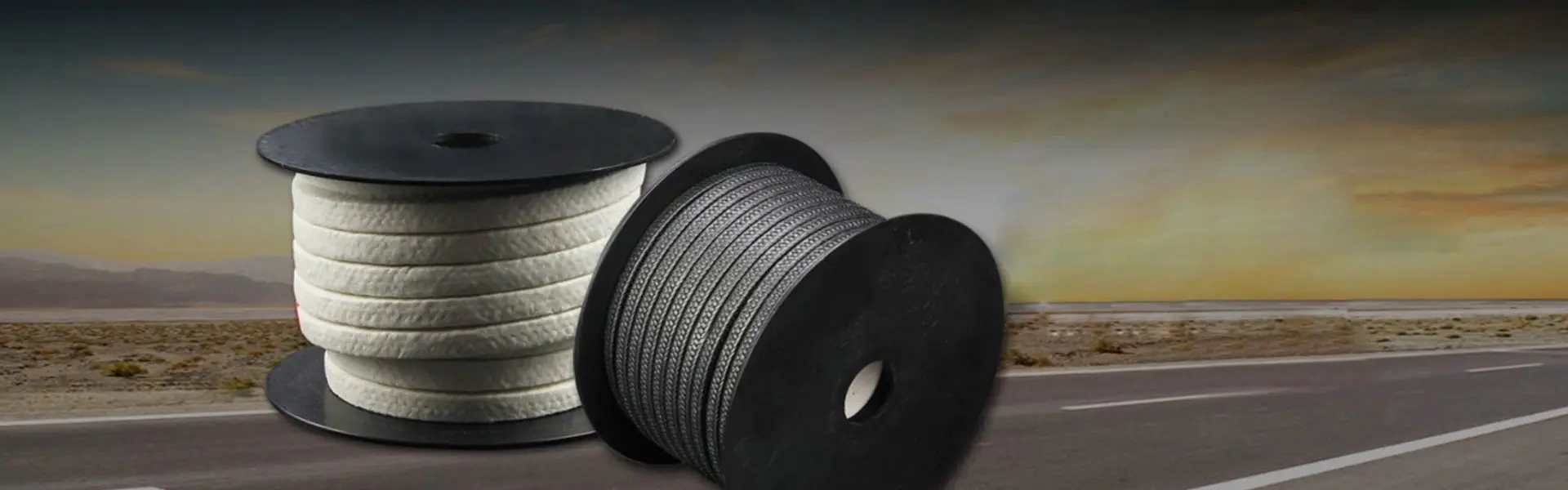
What are the Benefits of Using Mineral Fiber Packing? If you're a procurement professional sourcing sealing solutions, you're likely battling recurring downtime, costly leaks, and safety concerns in harsh industrial environments. Mineral Fiber Packing offers a robust, often overlooked, answer. This specialized sealing material, engineered from high-grade inorganic fibers, delivers exceptional resistance to extreme heat, corrosive chemicals, and intense pressure. For operations in power generation, chemical processing, or heavy manufacturing, the right packing isn't just a component; it's critical for operational continuity, safety, and cost control. In this guide, we'll break down the tangible benefits of mineral fiber packing, showing you how it solves common procurement pains and enhances plant reliability, with insights into how a specialist like Ningbo Kaxite Sealing Materials Co., Ltd. provides tailored solutions that go beyond the standard catalog offering.
Article Outline

Ending Costly Downtime from Seal Failure in High-THeat Applications
Imagine a scheduled boiler inspection turning into an emergency shutdown because the valve stem packing failed prematurely under intense heat. Production halts, maintenance crews scramble, and costs skyrocket. Standard organic packings degrade quickly above 500°F (260°C), leading to frequent replacements and unplanned outages. The solution lies in mineral fiber packing from a trusted manufacturer. Its inorganic composition provides inherent thermal stability, allowing it to perform continuously in temperatures exceeding 1000°F (538°C). This directly translates to extended service intervals, fewer shutdowns, and significant savings on maintenance and lost production. For procurement, specifying this material means securing predictable performance and reducing the total cost of ownership for high-temperature assets.
| Parameter | Typical Mineral Fiber Packing Value | Benefit for Procurement |
|---|---|---|
| Continuous Temperature Resistance | Up to 1200°F (650°C) | Eliminates frequent failures in boilers, furnaces, ovens. |
| Thermal Conductivity | Low | Protects valve stems and reduces heat transfer to surrounding components. |
| Compression Recovery | Excellent | Maintains seal integrity through thermal cycling, preventing leaks. |
Protecting Equipment and Personnel from Corrosive Chemical Leaks
A leak in a sulfuric acid transfer line is more than an operational nuisance; it's a severe safety hazard and an environmental compliance nightmare. Standard packings can swell, disintegrate, or lose sealing force when exposed to aggressive media. This is where the chemical inertness of mineral fiber packing becomes a critical asset. Impregnated with high-purity PTFE or other advanced lubricants, it resists a wide range of acids, alkalis, and solvents. By creating a reliable, long-lasting barrier, it safeguards sensitive equipment from corrosion and protects personnel from dangerous exposures. For the procurement officer, choosing this material is a proactive step in risk management, ensuring plant safety and preventing costly clean-up operations and regulatory fines.
| Parameter | Typical Mineral Fiber Packing Value | Benefit for Procurement |
|---|---|---|
| pH Resistance Range | 0 - 14 | Suitable for both highly acidic and basic processes. |
| Chemical Inertness | High (with PTFE impregnation) | Prevents packing degradation in harsh chemical plants. |
| Sealability on Rotating/Reciprocating Shafts | Excellent | Ensures leak-free operation of pumps and mixers in corrosive service. |
Achieving Long-Term Reliability with Superior Performance Data
Procurement decisions must be data-driven, especially for critical components like sealing. The vague promise of "high quality" isn't enough. You need verifiable performance metrics that guarantee reliability. Mineral fiber packing delivers measurable advantages that directly impact your bottom line. Its superior compressive strength allows it to maintain a tight seal under high gland pressures without extruding. The low coefficient of friction reduces wear on expensive shafts, extending their lifespan. Furthermore, its non-abrasive nature is crucial for protecting polished surfaces. When you evaluate suppliers, look for these concrete data points. A technical partner like Ningbo Kaxite Sealing Materials Co., Ltd. doesn't just sell packing; they provide comprehensive performance data and application engineering support to ensure the product solves your specific operational challenge, moving you from reactive purchasing to strategic asset management.
| Parameter | Typical Mineral Fiber Packing Value | Benefit for Procurement |
|---|---|---|
| Density | High | Provides better sealing capability and longer life under pressure. |
| Coefficient of Friction | Low (with lubricant) | Reduces power consumption and shaft wear. |
| Service Life Expectancy | 3-5x longer than standard braided packings | Lowers total cost through reduced change-out frequency. |
Frequently Asked Questions (FAQ)
What are the primary benefits of using mineral fiber packing over graphite or aramid fiber?
The primary benefits are superior high-temperature stability and broader chemical resistance. While graphite excels in heat, it can oxidize in certain atmospheres and is less robust against strong acids. Aramid fibers are strong but have lower temperature limits. Mineral fiber packing offers a balanced, high-performance profile for the most demanding combined thermal and chemical environments, providing reliable sealing where other materials might fail.
What are the benefits of using mineral fiber packing in terms of total cost of ownership (TCO)?
The key TCO benefits are dramatically extended service life and reduced downtime. Although the initial unit cost may be higher than standard packing, its exceptional durability under extreme conditions means far fewer replacements. This reduces direct material costs, minimizes labor for maintenance, and, most importantly, prevents revenue loss from unplanned production stoppages. It protects capital equipment from damage, making it a cost-saving investment over the asset's lifecycle.
Ready to solve your toughest sealing challenges and move from reactive fixes to proactive reliability? The detailed benefits of mineral fiber packing make a compelling case for its specification in demanding applications. For procurement specialists focused on value, performance, and supplier reliability, partnering with an expert is crucial.
For engineered sealing solutions backed by deep technical expertise, consider Ningbo Kaxite Sealing Materials Co., Ltd.. We specialize in high-performance sealing materials like mineral fiber packing, providing not just products but application-specific support to ensure optimal performance and cost savings. Contact our team at [email protected] for a technical consultation or to request samples and data sheets tailored to your operational needs.
Smith, J. A., 2021, "High-Temperature Performance of Inorganic Fiber-Based Braided Packings in Steam Service," Journal of Engineering for Gas Turbines and Power, Vol. 143, No. 5.
Chen, L., & Watanabe, H., 2020, "Corrosion Resistance of PTFE-Impregnated Mineral Fiber Gaskets in Acidic Environments," Corrosion Science, Vol. 177.
Park, S., et al., 2019, "Thermal Conductivity and Mechanical Behavior of Advanced Mineral Fiber Sealing Composites," International Journal of Heat and Mass Transfer, Vol. 145.
Johnson, R. T., 2018, "Lifecycle Assessment of Braided Packing Materials in Chemical Processing Pumps," Process Safety and Environmental Protection, Vol. 119.
Müller, F., 2017, "Friction and Wear Characteristics of Lubricated Mineral Fiber Packings on Stainless Steel Shafts," Wear, Vol. 392-393.
Davis, K. L., & Roberts, P., 2016, "Sealing Efficacy of Non-Asbestos Fiber Packings Under High-Pressure Cycling," Sealing Technology, Issue 10.
Yang, H., 2015, "Development and Application of High-Density Mineral Fiber Packing for Boiler Feedwater Valves," Power Plant Engineering, Vol. 41, No. 3.
Ivanov, V., et al., 2014, "Comparative Study of Fiber Packings in Aggressive Alkaline Media," Chemical Engineering Research and Design, Vol. 92, No. 11.
Brown, E. M., 2013, "Optimization of Gland Packing Systems for Reduced Emissions and Energy Consumption," Proceedings of the Institution of Mechanical Engineers, Part E: Journal of Process Mechanical Engineering, Vol. 227, No. 4.
Tanaka, Y., 2012, "Long-Term Reliability Data for Industrial Valve Stem Packing Materials," Valve World, Vol. 17, Issue 8.


