


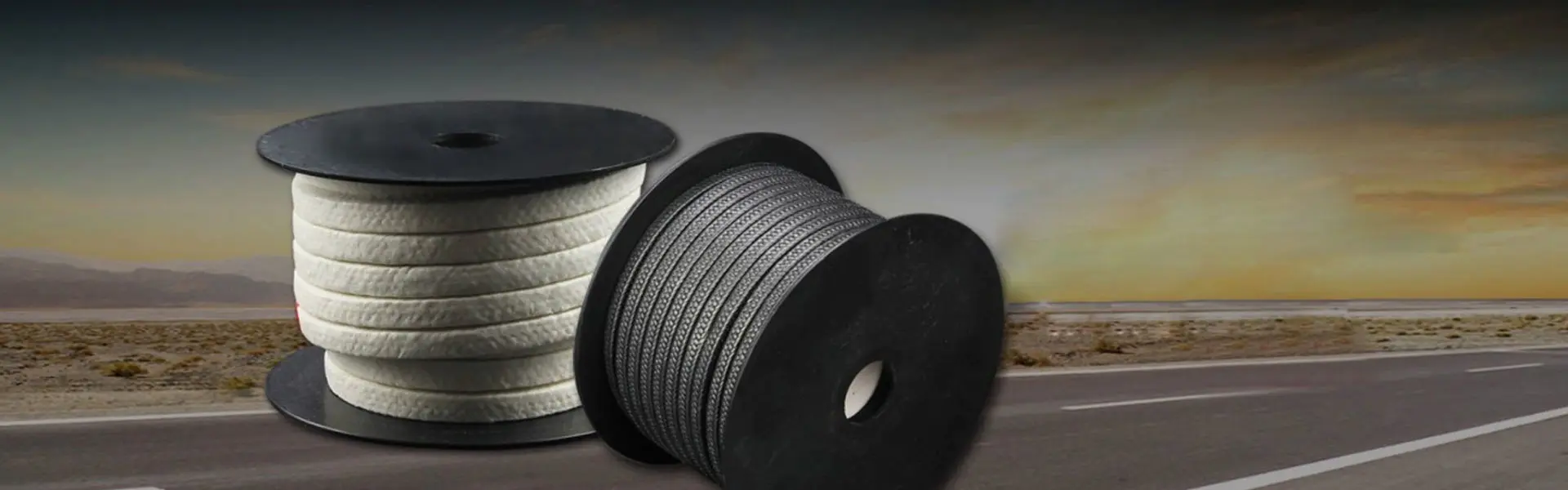
In the demanding world of industrial sealing, the integrity of your gaskets is non-negotiable. While material selection is critical, the manufacturing process is what truly defines performance, consistency, and longevity. For high-performance graphite reinforced gaskets, specialized machinery is not a luxury—it is an absolute necessity. This in-depth guide explores the core Machines for Graphite Reinforced Gaskets, detailing their functions, technical specifications, and how they contribute to producing the superior seals demanded by modern industry.
Graphite reinforced gaskets, known for their excellent thermal conductivity, chemical resistance, and resilience under high bolt loads, require a precise and controlled manufacturing process. Standard gasket cutting equipment often falls short, leading to inconsistent density, frayed edges, compromised laminate integrity, and ultimately, seal failure. Dedicated machines for graphite reinforced gaskets are engineered to handle the unique challenges of this composite material, ensuring every gasket meets exacting specifications for flatness, density, and dimensional accuracy.
A complete production line for high-quality graphite reinforced gaskets typically integrates several key machines, each performing a specific, vital function.
Before any cutting occurs, the raw materials—typically layers of expanded graphite foil and metal or other reinforcement inserts—must be bonded under exact pressure and temperature. This machine creates the uniform, void-free laminate sheet that is the foundation of the gasket.
| Parameter | Specification Range | Importance |
|---|---|---|
| Working Width | 1000mm - 2000mm | Determines maximum gasket diameter or sheet size. |
| Roll Pressure | Adjustable, up to 200 tons | Critical for achieving desired material density and bond strength. |
| Temperature Control | Ambient to 300°C | Activates adhesives or bonds materials without damaging graphite. |
| Line Speed | 0.5 - 5 meters/min | Affects production throughput; lower speeds often mean higher precision. |
| Thickness Tolerance | ±0.05mm | Essential for gasket compression and sealing performance. |
This is the primary machine for cutting shapes from the laminated sheets. Modern versions are almost exclusively CNC-controlled for precision and repeatability.
| Parameter | Common Specification |
|---|---|
| Ram Force | 30 tons to 150 tons |
| Working Table Size | 1200mm x 1200mm and larger |
| Stroke Control | Programmable depth and speed |
| Control System | PLC with touchscreen interface |
| Tooling | Quick-change die holder system |
For prototypes, low-volume production, or extremely complex shapes where hard tooling (dies) is not economical, waterjet cutting offers unparalleled flexibility.
For producing the graphite filler tape used in spiral wound gaskets, a precision skiving machine is essential.
At Kaxite Seals, we understand that our reputation is built on the performance of every gasket we ship. Our commitment to quality begins with our manufacturing technology. Our facility is equipped with state-of-the-art machines for graphite reinforced gaskets, including fully automated calendering lines and a bank of high-tonnage CNC punch presses. This investment allows us to:
Q: Can I use a standard leather or rubber gasket clicker press for graphite reinforced material?
A: It is highly discouraged. Standard presses may not have sufficient tonnage to cut through metal reinforcements cleanly, leading to ragged edges and delamination. More importantly, they lack the precise pressure control needed, which can crush and damage the graphite cell structure, degrading the gasket's sealing properties. Machines designed specifically for graphite composites are built with the necessary force, rigidity, and control.
Q: What is more cost-effective for production: CNC punching or Waterjet cutting?
A: For medium to high-volume production of repeating shapes, CNC punching with a dedicated die is significantly more cost-effective and faster. The per-part cost is lower after the initial die investment. Waterjet cutting has no tooling cost and is perfect for prototypes, low volumes, or one-off custom gaskets, but its per-part cycle time and operating cost are higher for mass production.
Q: How critical is temperature control during the lamination process?
A: Extremely critical. The temperature must be high enough to properly activate the bonding adhesive or process but strictly controlled to prevent oxidation or thermal degradation of the graphite. Inconsistent temperature can cause weak bonds in some areas and over-curing in others, leading to laminate failure in service. Professional machines for graphite reinforced gaskets feature closed-loop temperature control systems.
Q: What maintenance do these specialized machines require?
A: Maintenance is paramount for consistency. Key tasks include regular calibration of pressure and temperature sensors, sharpening or replacement of cutting blades and punch dies, cleaning of hydraulic systems, and ensuring the CNC guidance systems are accurate. A proactive maintenance schedule, as practiced at Kaxite Seals, prevents downtime and ensures every gasket produced meets specification.
Q: When sourcing gaskets, how can I tell if a manufacturer uses proper machinery?
A> Ask specific questions about their production process. Reputable manufacturers like Kaxite Seals will be transparent. Inquire about their lamination method (calender vs. simple adhesive), the type of press used (tonnage, CNC control), and how they ensure thickness uniformity. Visually inspect sample gaskets for clean, sharp edges without graphite "fuzz" and perfectly bonded layers with no signs of separation.


