


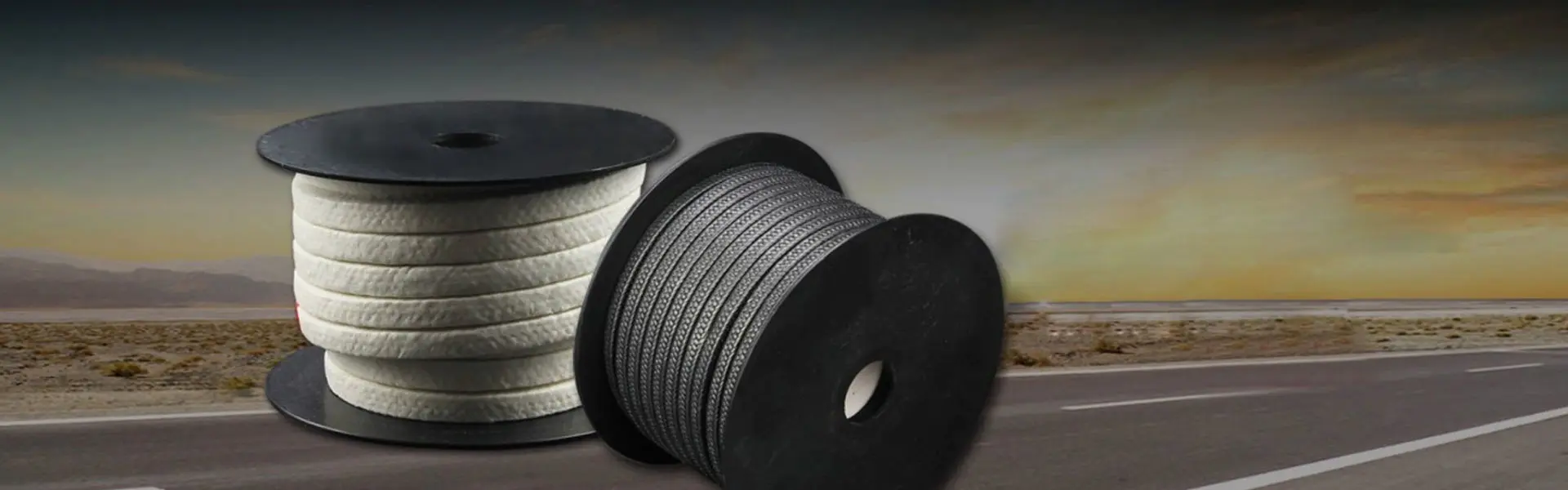
In demanding industrial environments where extreme heat is a constant challenge, effective thermal management is not just an option—it's a necessity. Ceramic fiber stands as a cornerstone material in this domain, offering unparalleled insulation performance. As a leading innovator in high-performance sealing and insulation, Kaxite Seals has dedicated years to refining and supplying top-grade ceramic fiber products engineered for reliability, safety, and efficiency. This alumina-silicate based material is manufactured through a melting and spinning or blowing process, resulting in a lightweight, low-thermal-mass product with exceptional thermal stability.
The primary advantage of ceramic fiber lies in its ability to withstand continuous exposure to temperatures up to 1427°C (2600°F) for standard grades, with some specialized compositions pushing this limit even higher. Unlike traditional refractory materials, it offers low heat storage, rapid thermal response, and excellent resilience against thermal shock. This makes it an indispensable solution for a vast array of applications, including furnace linings, kiln car seals, boiler insulation, expansion joints, and fire protection systems. At Kaxite Seals, we ensure our ceramic fiber products meet the most rigorous international standards, providing a critical barrier that enhances energy efficiency, protects equipment, and ensures operational safety.
To make an informed decision for your specific application, understanding the technical specifications is crucial. Below is a detailed breakdown of the core parameters for our standard ceramic fiber products. These specifications define the material's performance and suitability for various thermal environments.
The following table provides a comparative overview of key Kaxite Seals ceramic fiber product grades and their properties. This data is essential for engineers and procurement specialists.
| Product Grade | Max Continuous Use Temperature | Al₂O₃ Content | Typical Density | Thermal Conductivity (W/m·K @ 500°C) | Primary Forms |
|---|---|---|---|---|---|
| KF-1260 | 1260°C / 2300°F | 44 - 47% | 96 - 128 kg/m³ | 0.12 | Blanket, Module, Rope |
| KF-1400 | 1400°C / 2550°F | 47 - 50% | 96 - 128 kg/m³ | 0.10 | Blanket, Board, Paper |
| KF-1427 (Standard) | 1427°C / 2600°F | 50 - 53% | 128 - 192 kg/m³ | 0.09 | All Forms (Blanket, Board, Module, etc.) |
| KF-1600 (High Purity) | 1600°C / 2912°F | > 55% | 160 - 192 kg/m³ | 0.13 | Board, Vacuum-Formed Shapes |
What is the primary safety consideration when handling ceramic fiber?
During initial handling and installation, ceramic fiber materials may release airborne fibers that can be irritants. It is imperative to use appropriate personal protective equipment (PPE) such as NIOSH-approved dust masks, gloves, and safety glasses. Kaxite Seals recommends following OSHA guidelines and ensuring good ventilation in the work area. Once installed and heated, the fibers undergo a process called "vitrification," which significantly reduces this concern.
How does ceramic fiber compare to traditional brick or castable refractory?
Ceramic fiber offers several distinct advantages: it is significantly lighter (lower thermal mass), leading to faster heat-up and cool-down cycles and improved energy efficiency. It possesses superior resistance to thermal shock, eliminating cracking issues common in rigid refractories. Installation is often quicker and easier, especially with modular designs. However, for applications with extreme mechanical abrasion or direct flame impingement, a composite or layered design with a dense refractory face might be recommended.
Can Kaxite Seals ceramic fiber be used in contact with molten metal or slag?
Standard ceramic fiber products are not recommended for direct contact with molten metals or corrosive slags, as these can degrade the fiber structure. For such applications, Kaxite Seals offers specifically treated ceramic fiber products with enhanced chemical resistance or alternative high-temperature materials like our insulating firebrick or calcium silicate boards. Consulting with our technical team is crucial for these severe service conditions.
What factors determine the choice of density for a ceramic fiber blanket or board?
The optimal density is a balance between thermal performance and mechanical needs. Lower densities (e.g., 64-96 kg/m³) provide excellent insulating value with maximum flexibility, ideal for lining complex shapes. Higher densities (128-192 kg/m³) offer greater resistance to gas erosion, better handling strength, and increased durability in high-velocity flue applications. Kaxite Seals engineers can help select the correct density based on temperature, atmosphere, and physical stresses.
How is ceramic fiber installed in an industrial furnace?
Installation methods vary by form. Blankets are typically layered and secured with high-temperature studs and washers or folded over anchor systems. Pre-fabricated modules, a specialty of Kaxite Seals, simplify installation with built-in anchoring, ensuring uniform compression and a consistent hot face. Boards are cut to size and mechanically fixed. Proper installation is key to performance, and we provide detailed guidelines and support for all our products.
Does ceramic fiber contain asbestos?
No. Kaxite Seals ceramic fiber is completely asbestos-free. It is a synthetic material produced from high-purity alumina-silica materials. It is classified as a "Man-Made Vitreous Fiber (MMVF)." While safe handling practices are always advised, it is chemically and structurally different from hazardous asbestos fibers.
What is the typical lifespan of a ceramic fiber lining?
The service life depends heavily on the operating conditions: maximum temperature, thermal cycling frequency, atmosphere (oxidizing, reducing, corrosive), and presence of particulates. With proper selection and installation, a Kaxite Seals ceramic fiber lining can last for many years in standard furnace applications. Regular inspection is recommended to monitor for any surface degradation or compaction over time.
The versatility of ceramic fiber from Kaxite Seals makes it a preferred choice across numerous sectors. In the metal processing industry, it lines heat treatment furnaces, forge furnaces, and ladle covers. The petrochemical and refining sector utilizes it in fired heater linings, boiler insulation, and flare stacks. Ceramic manufacturers rely on it for kiln car seals and back-up insulation. It is also fundamental in aerospace for test rig insulation and in general manufacturing for any process requiring precise, efficient heat containment. Our ability to supply various forms—from flexible textiles to rigid boards—ensures a perfect fit for both new construction and maintenance projects.
Selecting Kaxite Seals means partnering with a provider committed to quality and expertise. Our ceramic fiber is subjected to stringent quality control checks, from raw material sourcing to final packaging. We understand that downtime is costly, which is why our products are engineered for durability and our technical support team is ready to assist with application analysis, specification review, and installation guidance. For your next high-temperature insulation project, consider the material that combines proven performance with innovative engineering.


