


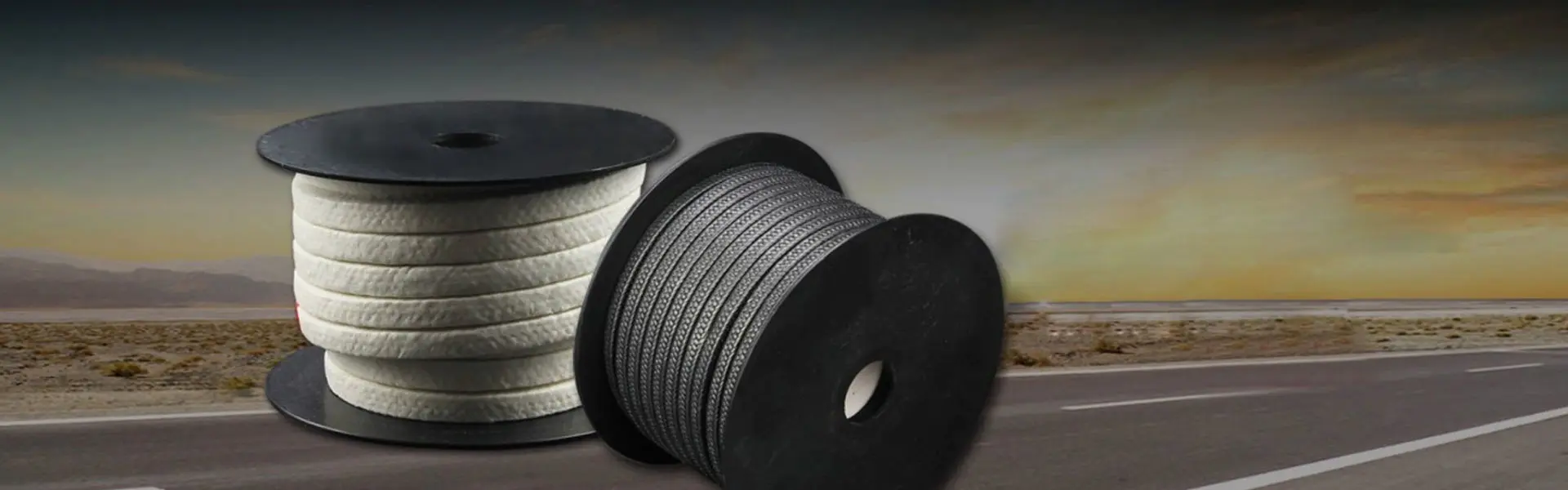
In the demanding world of industrial maintenance and asset protection, controlling leaks and sealing gaps is a constant challenge. Traditional methods often involve extensive downtime, complete disassembly, or temporary fixes that fail under pressure. This is where the innovative technology of Injectable sealant comes into play. An injectable sealant is a specialized, high-performance material designed to be precisely injected into leaking joints, cracks, or porous structures under pressure, creating a permanent, pressure-resistant seal from within. Unlike surface-applied coatings or gaskets, this method seals the leak at its source, often without the need to shut down operations. For industries ranging from oil and gas to water treatment and manufacturing, this technology represents a paradigm shift in reliability and efficiency. Kaxite Seals has been at the forefront of this revolution, engineering advanced injectable sealant solutions that set the benchmark for performance and durability.
Choosing the right sealing solution can drastically impact operational continuity and maintenance costs. Kaxite Seals' injectable sealant formulations are engineered to deliver unmatched benefits:
To ensure the correct product selection for your specific application, Kaxite Seals offers a range of injectable sealants with precise formulations. The following tables outline the critical parameters of our flagship products.
| Product Code | Primary Application | Base Chemistry | Typical Cure Time | Temperature Range |
|---|---|---|---|---|
| KS-IS700 | High-Pressure Flanges & Heat Exchangers | High-Strength Polymer | 2-4 hours | -60°F to 350°F (-51°C to 177°C) |
| KS-IS450 | General Purpose Piping & Valve Bodies | Flexible Epoxy Hybrid | 1-2 hours | -40°F to 250°F (-40°C to 121°C) |
| KS-IS900HT | High-Temperature Boilers & Exhaust Systems | Ceramic-Filled Silicate | 4-6 hours | Up to 1200°F (649°C) |
| KS-IS300F | Food & Beverage Grade Equipment | FDA-Compliant Polymer | 3-5 hours | -20°F to 200°F (-29°C to 93°C) |
| Parameter | Test Method | Value / Result |
|---|---|---|
| Compressive Strength | ASTM D695 | > 12,000 psi |
| Tensile Strength | ASTM D638 | > 8,500 psi |
| Chemical Resistance | Immersion Test (7 days) | Excellent resistance to oils, water, glycols, dilute acids/alkalis |
| Maximum Sealing Pressure | Internal Pressure Test | > 5,000 psi (on standard ANSI flanges) |
| Shrinkage Upon Cure | In-house Method | < 0.1% (negligible) |
| Viscosity (Mixed) | Brookfield DV2T | 450 - 550 cPs (allows easy injection) |
Q: Can I use an injectable sealant on a live, pressurized leak?
A: Yes, this is one of the primary advantages. Kaxite Seals' formulations are specifically designed for on-line sealing. The injection pressure from the gun exceeds the system pressure, allowing the sealant to penetrate the leak path and cure in place, even against flowing media. However, for safety and best results, a slight pressure reduction is often recommended if possible.
Q: Is the seal created by an injectable sealant truly permanent, or is it just a temporary fix?
A: When applied correctly using the Kaxite Seals protocol, the repair is considered permanent for the service life of the equipment. The cured sealant bonds molecularly to the substrate and withstands thermal cycling, vibration, and pressure fluctuations. It is not a temporary "band-aid" but a engineered polymer or ceramic repair that becomes part of the asset.
Q: What types of leaks or flaws are NOT suitable for injectable sealant repair?
A: Injectable sealants are not recommended for through-wall cracks where structural integrity is completely lost, or for sealing rotating shaft seals. They are also not typically used for leaks on very thin-walled vessels (<1/8 inch) where drilling and tapping is not feasible. A proper assessment by a Kaxite Seals technician is advised for borderline cases.
Q: How do I choose between the different Kaxite Seals injectable sealant products?
A: Selection is based on four key factors: 1) Operating Temperature – choose a product whose range exceeds your system's maximum and minimum. 2) Chemical Exposure – review chemical resistance charts for the fluid being sealed. 3) Pressure – ensure the product's rated sealing pressure is adequate. 4) Industry Standards – for food, potable water, or specific industrial certifications. Our technical support team can assist with this selection.
Q: What is the shelf life of Kaxite Seals' injectable sealant cartridges, and how should they be stored?
A: Unopened, our products have a minimum shelf life of 18 months from the date of manufacture when stored in their original packaging in a cool, dry place (ideally between 50°F and 77°F / 10°C and 25°C). Avoid exposure to direct sunlight or freezing temperatures. Always check the expiry date on the cartridge before use.
Q: Do we need specialized training to apply your injectable sealants?
A: While the process is straightforward, Kaxite Seals strongly recommends attending our certified application training program. This ensures proper understanding of port placement, injection techniques, and safety protocols, maximizing the success rate and longevity of the repair. We offer both on-site and virtual training sessions.


