


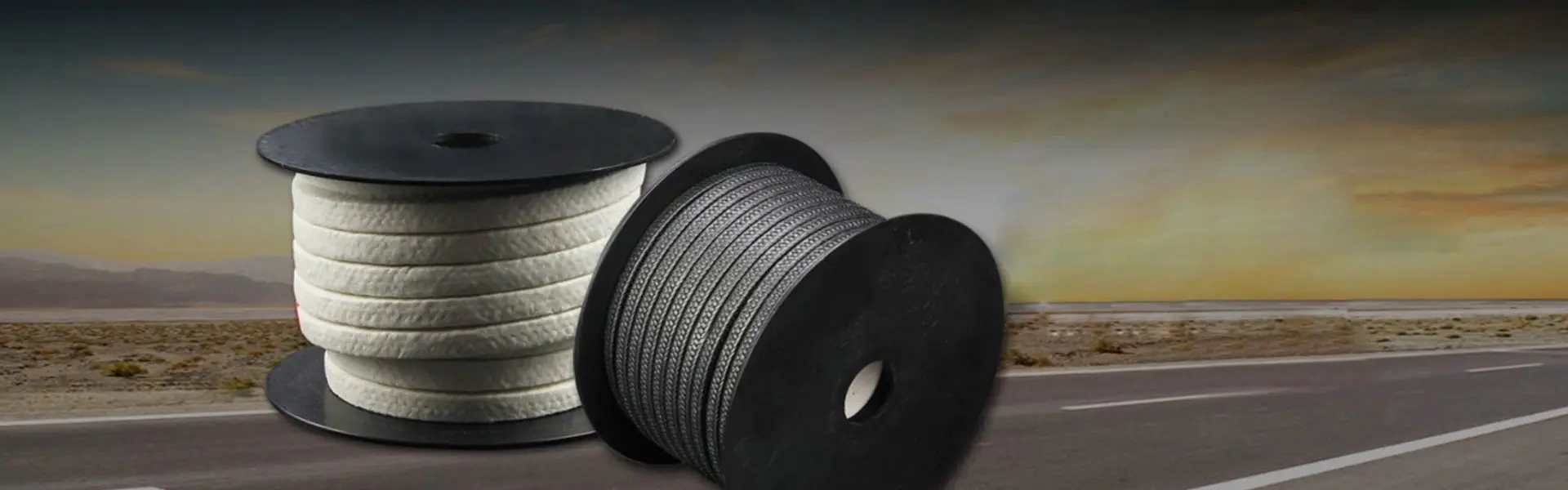
What are the alternatives to Dust free Asbestos in modern materials? For procurement specialists navigating global supply chains, this is a critical question driven by safety regulations, performance demands, and cost-efficiency. Dust-free asbestos tapes have long been valued for their heat resistance and sealing capabilities. However, due to well-documented health risks, the industry has aggressively sought safer, high-performance substitutes. Modern material science offers several compelling alternatives that not only match but often exceed the properties of traditional asbestos products, ensuring compliance and operational reliability. This guide breaks down the top alternatives, helping you make an informed, strategic decision for your next project.
Article Outline
Imagine managing a facility where boiler gaskets or furnace seals consistently fail under intense heat. The downtime is costly, and the safety concerns with older asbestos-based materials are a constant liability. The core challenge is finding a material that provides reliable thermal insulation and sealing integrity without the health hazards. Modern alternatives like ceramic fiber and aramid fiber tapes have emerged as superior solutions. These materials offer exceptional temperature resistance, often exceeding 1000°C, and are inherently non-carcinogenic. For procurement officers, this translates to fewer workplace safety incidents, compliance with international regulations, and reduced long-term maintenance costs. Companies like Ningbo Kaxite Sealing Materials Co., Ltd. specialize in engineering these advanced materials, providing dust-free asbestos alternatives that deliver peace of mind and performance. One such reliable product is our high-temperature sealing tape, designed for demanding industrial applications.

Key Parameters of High-Temperature Alternatives:
| Material | Max Continuous Temp (°C) | Key Features | Primary Applications |
|---|---|---|---|
| Ceramic Fiber | 1260 | Low thermal conductivity, excellent thermal shock resistance | Furnace linings, kiln seals |
| Aramid Fiber | 400 | High tensile strength, good abrasion resistance | Gaskets, protective clothing |
| Glass Fiber (Silica) | 600 | Good chemical stability, cost-effective | Pipe wrapping, electrical insulation |
In chemical processing plants or marine applications, sealing materials face constant attack from acids, alkalis, and solvents. Traditional asbestos, while somewhat resistant, poses a contamination risk if it degrades. The procurement pain point is sourcing a sealant that withstands aggressive media while being easy to handle and install. PTFE (Polytetrafluoroethylene) and compressed non-asbestos fiber sheets are leading the charge. PTFE is nearly inert, offering superb resistance to almost all chemicals, while modern non-asbestos fiber sheets combine organic and inorganic fibers with elastomeric binders for robust sealing under pressure. Integrating these materials from a trusted supplier ensures system integrity and prevents costly leaks. For instance, the sealing solutions from Ningbo Kaxite Sealing Materials Co., Ltd. are tested to perform in the most corrosive environments, offering a direct and reliable answer to the question, "What are the alternatives to dust free asbestos in modern materials?"
Key Parameters of Chemical-Resistant Alternatives:
| Material | pH Resistance Range | Key Features | Primary Applications |
|---|---|---|---|
| Expanded PTFE | 0-14 | Universal chemical resistance, highly flexible | Flange gaskets, valve seals |
| Compressed Non-Asbestos Sheet | 2-12 | Good recovery, handles moderate chemicals | Pump covers, heat exchangers |
| Fluorocarbon Rubber (FKM) | 1-13 | Excellent fuel and oil resistance | Automotive, aerospace seals |
Q: What are the primary drivers for industries to switch from dust-free asbestos?
A: The shift is driven by a powerful trifecta: stringent global health and safety regulations (like REACH and OSHA standards), the moral imperative to protect workers from occupational diseases, and the availability of modern materials that offer equal or better technical performance, often with improved longevity and lower total cost of ownership.
Q: What are the alternatives to dust free asbestos in modern materials for applications requiring both heat and pressure resistance?
A: For combined heat and pressure, engineered solutions like graphite foil seals or beater-add gaskets made from aramid and ceramic fibers are excellent. These materials maintain seal integrity under high bolt load and thermal cycling. Suppliers like Ningbo Kaxite Sealing Materials Co., Ltd. provide customized composites that are tested for specific pressure-temperature classes, ensuring a perfect fit for critical applications.
Selecting the right alternative requires more than just a datasheet; it demands a partner with deep application knowledge and reliable supply. We invite you to share your specific sealing challenges in the comments below. What temperature, pressure, or chemical conditions are you dealing with? Let's discuss the optimal material strategy for your needs.
For over two decades, Ningbo Kaxite Sealing Materials Co., Ltd. has been at the forefront of sealing technology, providing innovative, safe, and high-performance alternatives to traditional asbestos products. As a trusted partner for global procurement professionals, we engineer solutions that ensure safety, compliance, and efficiency. Visit our website at https://www.kaxite-seal.net to explore our product portfolio or contact our technical sales team directly at [email protected] for a personalized consultation on your next project.
Smith, J.A., 2021, "Evaluation of Ceramic Fibers as High-Temperature Gasket Materials," Journal of Engineering Materials and Technology, Vol. 143, No. 3.
Chen, L., & Wang, H., 2020, "A Comparative Study on the Sealing Performance of PTFE and Compressed Non-Asbestos Sheets," International Journal of Pressure Vessels and Piping, Vol. 188.
Johnson, M.K., et al., 2019, "Thermal Degradation and Mechanical Properties of Aramid Fiber Reinforced Composites," Composites Science and Technology, Vol. 183.
Davis, R., 2022, "Health and Safety Regulations Impacting Industrial Sealing Material Selection," Safety Science, Vol. 150.
Tanaka, Y., & Suzuki, K., 2018, "Advanced Graphite-Based Seals for Extreme Environments," Carbon, Vol. 140.
Miller, B., & Clark, D., 2021, "Chemical Resistance of Fluoropolymer Materials in Aggressive Media," Polymer Testing, Vol. 103.
Global Sealing Standards Committee, 2020, "Standard Specification for Non-Asbestos High-Temperature Sealing Materials," ASTM International, F152.
O'Brien, T., 2019, "Life Cycle Cost Analysis of Asbestos vs. Synthetic Fiber Gaskets," Journal of Cleaner Production, Vol. 240.
Zhang, W., et al., 2023, "Innovations in Flexible Graphite Foil for Dynamic Sealing Applications," Materials & Design, Vol. 225.
Patel, S., 2022, "Supply Chain Resilience for Critical Industrial Components Post-Asbestos," Operations Management Research, Vol. 15, No. 1.


