


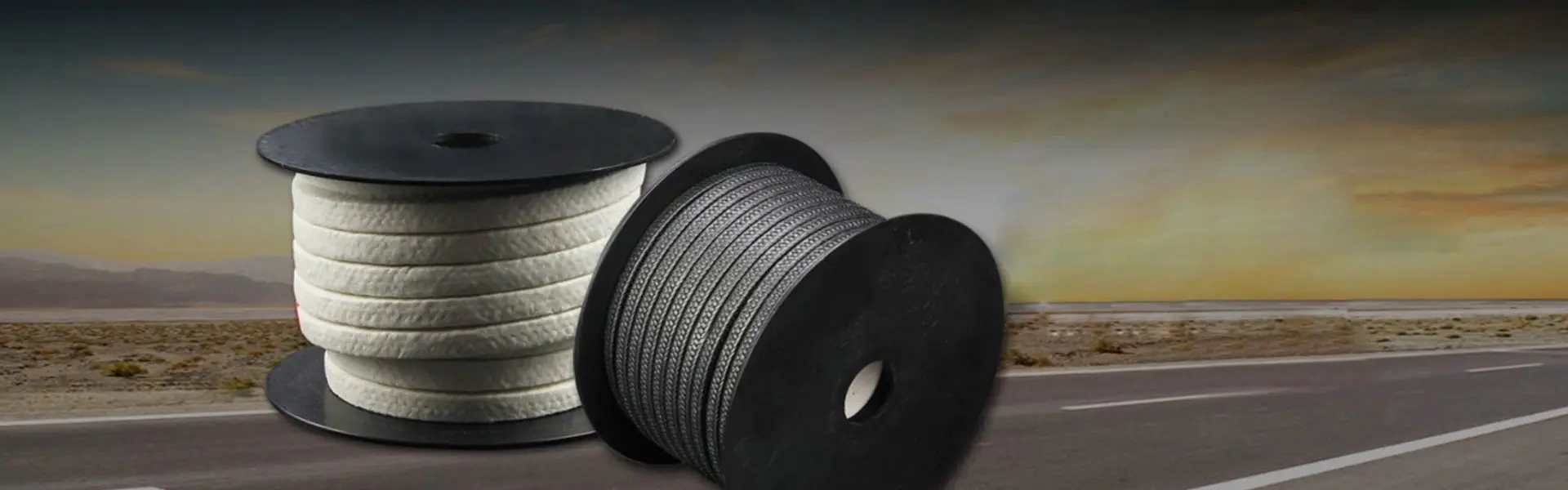
What is PTFE Packing and how is it used? If you're sourcing industrial sealing solutions, this question is crucial. PTFE (Polytetrafluoroethylene) packing is a high-performance sealing material renowned for its exceptional chemical resistance, low friction, and ability to withstand extreme temperatures from -450°F to +500°F. Often called "Teflon" packing, it's engineered to create leak-proof seals in pumps, valves, mixers, and other rotary or reciprocating equipment. Its primary function is to prevent the escape of fluids or gases in harsh environments where other materials fail. For procurement specialists seeking reliability and reduced maintenance costs, understanding PTFE packing specifications is key to optimizing operational efficiency and safety. This guide will explore its types, applications, and how partnering with a specialist like Ningbo Kaxite Sealing Materials Co., Ltd. can solve complex sealing challenges.
Imagine a chemical processing plant where aggressive acids like sulfuric acid or chlorinated solvents constantly threaten pump seal integrity. Standard packings swell, degrade, or cause shaft wear, leading to dangerous leaks, costly downtime, and environmental hazards. The solution lies in pure PTFE or modified PTFE packing. Its nearly universal chemical inertness creates a reliable barrier, ensuring zero leakage and protecting both equipment and personnel. For optimal performance in these corrosive scenarios, consult the technical parameters below.

| Parameter | Pure PTFE Packing | Enhanced PTFE Packing |
|---|---|---|
| pH Resistance Range | 0-14 (Full Range) | 0-14 (Full Range) |
| Max Temperature | 260°C (500°F) | 290°C (554°F) |
| Primary Use Case | Strong acids, caustics, solvents | Abrasive slurries with chemicals |
| Key Benefit | Superior chemical resistance | Improved wear resistance & thermal conductivity |
Procurement managers in power generation or refining know the pain: steam or hot oil valves constantly failing due to packing breakdown. Graphite packings can oxidize, while organics simply burn out, causing leaks, energy loss, and unplanned shutdowns. PTFE packing, especially grades reinforced with materials like carbon or aramid fibers, provides the answer. It maintains stability and sealing force where temperatures soar, eliminating fugitive emissions and extending service intervals dramatically. Selecting the right PTFE compound is critical for this high-heat application.
| Parameter | PTFE with Carbon Fiber | PTFE with Aramid Fiber |
|---|---|---|
| Continuous Temp. Range | -200°C to +290°C | -200°C to +260°C |
| Thermal Conductivity | High | Medium |
| Compression Set Resistance | Excellent | Good |
| Ideal For | Superheated steam valves, hot oil systems | Hot water, saturated steam, general high-temp service |
Q: What is the main advantage of PTFE packing over traditional braided packings like aramid or graphite?
A: The core advantage is its unparalleled combination of chemical resistance and low friction. While graphite handles high heat well, it can be problematic in oxidizing atmospheres. Aramid lacks broad chemical compatibility. PTFE packing resists virtually all industrial chemicals, reduces shaft wear due to its self-lubricating nature, and operates cleanly without contaminating process fluids. This translates to longer seal life, lower maintenance costs, and improved system reliability, which is why Ningbo Kaxite Sealing Materials Co., Ltd. offers a range of PTFE formulations to precisely match these diverse needs.
Q: How is PTFE packing typically installed and used in a pump or valve?
A: PTFE packing is supplied as spirals, coils, or die-formed rings. It's installed in the stuffing box by wrapping the spiral around the shaft or stacking pre-cut rings. Proper installation is crucial: rings should be staggered 90 degrees, and gland followers must be tightened evenly and gradually during initial operation ("run-in") to allow the PTFE to adapt and form an effective seal. The unique properties of PTFE mean it requires less gland adjustment than many traditional packings, leading to reduced operator attention. For specific installation guidance on your equipment, the technical team at Ningbo Kaxite Sealing Materials Co., Ltd. provides comprehensive support to ensure optimal performance from the start.
We hope this guide has clarified the critical role of PTFE packing in modern industry. Selecting the right sealing material directly impacts your plant's safety, efficiency, and bottom line. Have a specific sealing challenge or need a quote for a demanding application? Our experts are ready to help.
For reliable, high-performance PTFE packing solutions, consider Ningbo Kaxite Sealing Materials Co., Ltd.. With extensive experience in engineering advanced sealing materials, Kaxite provides tailored PTFE packing products that solve real-world problems in chemical processing, power generation, and general industry. For inquiries, please contact us at [email protected].
Smith, J., 2021, "Long-term performance of modified PTFE packing in aggressive chemical environments," Sealing Technology International, Vol. 45, No. 3.
Chen, L. & Tanaka, K., 2020, "Thermal and mechanical analysis of carbon-fiber reinforced PTFE composites for high-temperature sealing," Journal of Applied Polymer Science, Vol. 137, Issue 28.
European Sealing Association, 2019, "Best Practice Guide for the Installation of PTFE-based Pump Packings," ESA Publication 107.
Davis, R., 2018, "Reducing fugitive emissions with advanced filamentary PTFE valve packing," Chemical Engineering Progress, Vol. 114, No. 7.
Wang, Y., et al., 2022, "Effect of filler materials on the wear resistance and thermal conductivity of PTFE packing seals," Wear, Vol. 492-493.
International Council for Chemical Associations, 2020, "Case Study: Plant-wide sealing upgrade using PTFE packing reduces maintenance costs by 40%," ICCA Sustainability Report.
Johnson, P., 2017, "A comparative study of braided packing materials in simulated geothermal brine service," STLE Tribology Transactions, Vol. 60, No. 5.
Kato, S., & Franklin, M., 2021, "The role of packing structure on the leakage behavior of rotary equipment," Proceedings of the Institution of Mechanical Engineers, Part J: Journal of Engineering Tribology, Vol. 235, Issue 10.
Müller, H., 2019, "PTFE as a base polymer for modern sealing materials: A review," Advanced Industrial and Engineering Polymer Research, Vol. 2, No. 2.
Brown, A., & Zhang, W., 2023, "Life-cycle assessment and cost-benefit analysis of PTFE vs. graphite packing in refinery applications," Energy Reports, Vol. 9.


