


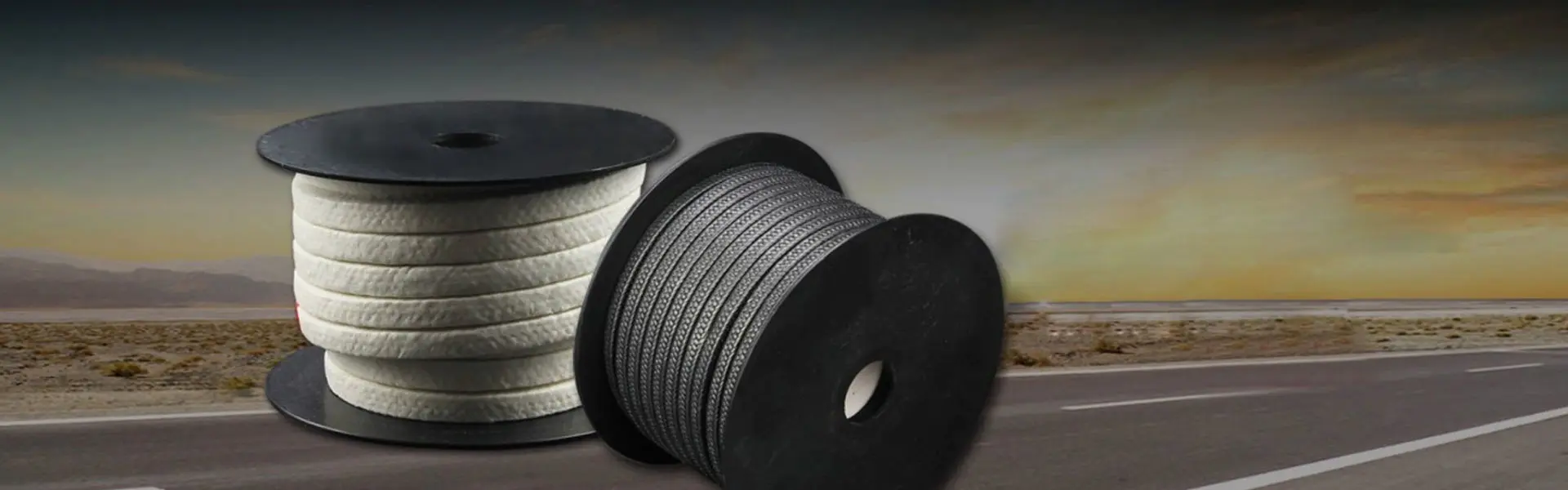
In industrial sealing and gasket applications, specifying the correct material is paramount for safety, performance, and longevity. Dusted asbestos, a specialized formulation, has historically served in demanding high-temperature and high-pressure environments. While modern regulations have shifted towards asbestos-free alternatives, understanding the specifications of traditional dusted asbestos remains essential for legacy system maintenance, material identification, and informed replacement decisions. This detailed guide, presented by Kaxite Seals, delves into the technical parameters, applications, and critical FAQs surrounding dusted asbestos gasketing material. Our expertise ensures you have the professional data needed for compliance and operational safety.
Kaxite Seals provides this technical breakdown for reference and educational purposes regarding traditional dusted asbestos compositions. Always consult current safety data sheets (SDS) and local regulations.
Traditional dusted asbestos gasket material is a composite, typically consisting of:
| Property | ASTM Test Method | Typical Value Range | Units | Notes |
|---|---|---|---|---|
| Density | F 1315 | 1.75 - 2.10 | g/cm³ | Varies with fiber compression and filler type. |
| Tensile Strength | F 152 | 8.0 - 14.0 | MPa (min) | Measured in both machine and cross directions. |
| Compression Set | F 36 | 40 - 50 | % (max) | After 22 hrs at 100°C under 25% deflection. |
| Flexibility | F 147 | No cracking | - | Tested at a specified mandrel diameter. |
| Recovery | F 1276 | 45 - 55 | % | Indicates resilience after compression. |
| Property / Medium | Performance Range | Limitations / Notes |
|---|---|---|
| Continuous Service Temperature | -40°C to +290°C (-40°F to +550°F) | Short peaks up to 400°C (750°F) possible. Binder degradation accelerates above 290°C. |
| Thermal Conductivity | 0.15 - 0.25 | W/m·K. Relatively low, providing some insulation. |
| Hot Oil & Hydrocarbons | Excellent | Resistant to most oils, fuels, and aliphatic hydrocarbons. |
| Water, Steam | Good to Excellent | Suitable for saturated steam services within temperature limits. |
| Strong Acids | Poor to Fair | Not recommended for prolonged exposure to mineral acids (e.g., HCl, H2SO4). |
| Strong Alkalis | Fair to Good | Moderate resistance to caustic solutions; depends on concentration and temperature. |
| Polar Solvents (Alcohols, Ketones) | Poor to Fair | May cause swelling and deterioration of the elastomeric binder. |
Historically, dusted asbestos sheet was the go-to material for numerous industrial gaskets due to its robust properties.
Kaxite Seals emphasizes that these are historical applications. Modern replacements using aramid fibers, glass fibers, graphite, or PTFE are strongly recommended and available through our advanced product lines.
Q: What exactly is meant by "dusted" in dusted asbestos?
A: The term "dusted" refers to the final manufacturing process where a fine, dry powder (historically mica, talc, or sometimes graphite) is lightly applied to one or both surfaces of the compressed asbestos sheet. This dusting layer serves a critical function: it prevents the sticky elastomeric binder within the sheet from adhering to metal flanges during installation and, more importantly, during future disassembly. This made gasket removal easier and reduced the risk of tearing, which could release asbestos fibers.
Q: Is dusted asbestos still legal to buy or use?
A: Regulations vary significantly by country and region. In many places, including the European Union, United Kingdom, Australia, and Canada, the manufacture, import, and new use of asbestos-containing materials are completely banned. In the United States, new uses are banned, but certain legacy applications and specific product types may face complex regulations under OSHA and the EPA. Kaxite Seals strongly advises consulting the latest national and local environmental and occupational health regulations. We do not supply or recommend the use of asbestos-containing materials.
Q: What are the primary health risks associated with handling dusted asbestos gaskets?
A: The main risk occurs when the material is dry-cut, sanded, broken, or removed in a way that creates airborne dust and fibers. Inhalation of these microscopic asbestos fibers can lead to serious lung diseases, including asbestosis (scarring), lung cancer, and mesothelioma, which may develop decades after exposure. The dusting powder itself can become contaminated with loose fibers. Therefore, any disturbance of suspected asbestos materials must be performed under controlled conditions by licensed professionals using appropriate personal protective equipment (PPE) and containment procedures.
Q: How can I identify if an old gasket is made from dusted asbestos?
A: Visual identification is unreliable and dangerous. Suspect asbestos-containing gaskets are often:
Q: What is the proper procedure for removing and disposing of old dusted asbestos gaskets?
A: Removal must follow strict abatement protocols:
Q: What are the modern, safe alternatives offered by Kaxite Seals to replace dusted asbestos?
A: Kaxite Seals provides a comprehensive range of high-performance, non-asbestos gasket materials that meet or exceed the capabilities of traditional dusted asbestos. Our engineered alternatives include:
Q: Does the surface dusting affect the torque or sealing performance of the gasket?
A: Yes, it can. The dusting agent reduces the coefficient of friction between the gasket and the flange faces. This means that for a given bolt torque, the compressive force clamping the gasket might be slightly higher compared to an un-dusted, tacky surface. However, the primary purpose was anti-adhesion, not torque modification. When replacing a dusted asbestos gasket with a modern alternative, it is crucial to follow the new material's recommended seating stress and bolt torque procedures, which may differ from the old specifications. Kaxite Seals provides detailed installation guidelines with all our products.


