


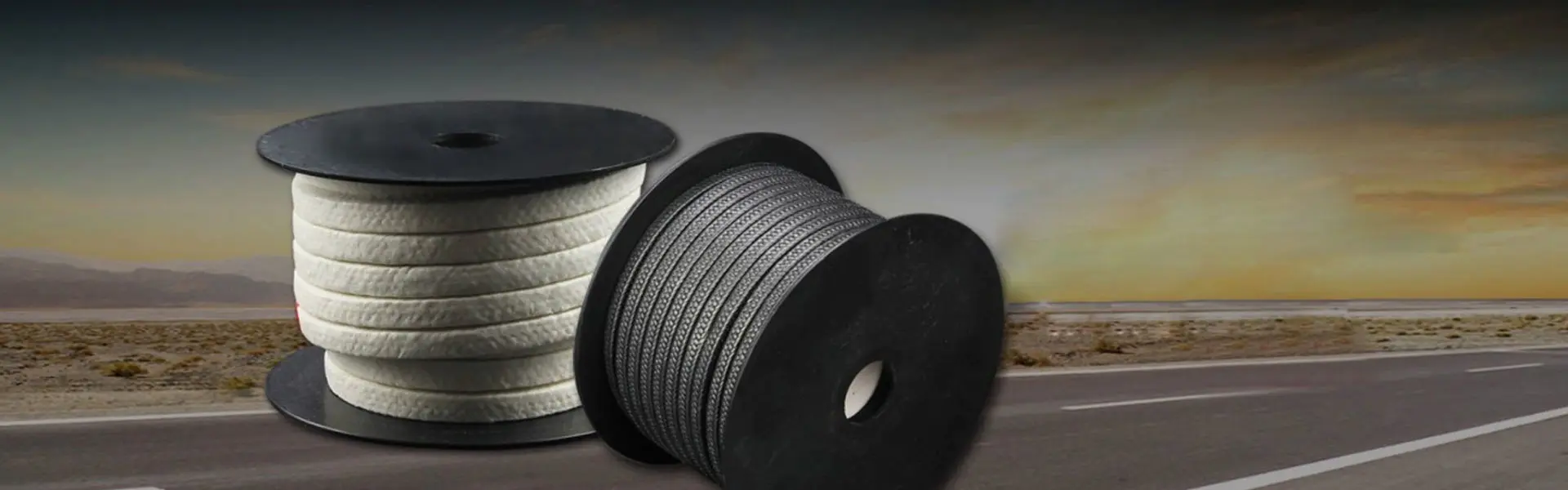
In the realm of industrial insulation and fireproofing, few materials have had as significant a historical footprint as the asbestos sheet. At Kaxite Seals, we recognize the complex legacy of traditional asbestos while proudly offering modern, high-performance alternatives engineered for safety and superior performance. Today's advanced asbestos-free sheets are designed to meet the rigorous demands of high-temperature applications, corrosion resistance, and thermal management without the associated health risks. This guide delves deep into the specifications, applications, and critical considerations surrounding these essential industrial materials, providing you with the detailed information needed to make an informed decision for your project.
Traditionally, an asbestos sheet was a composite material made by binding asbestos fibers—a group of naturally occurring silicate minerals—with a cementitious or resinous matrix. Renowned for its exceptional heat resistance, tensile strength, and insulating properties, it was widely used in construction, shipbuilding, and industrial settings throughout the 20th century. However, due to the severe health hazards posed by airborne asbestos fibers, which can cause diseases like asbestosis, lung cancer, and mesothelioma, its use has been heavily restricted or banned in many countries.
Modern "asbestos sheets," such as those developed by Kaxite Seals, refer to high-quality, non-asbestos fiber cement or composite sheets. These products replicate and often exceed the functional benefits of historical materials using safer, engineered fibers like cellulose, aramid, or fiberglass, bound with Portland cement or advanced polymers. They are the safe, compliant, and high-performance choice for contemporary industry.
Selecting the right sheet material requires a thorough understanding of its technical parameters. At Kaxite Seals, our products are manufactured to exacting standards, ensuring reliability in the most demanding environments. Below is a detailed breakdown of our standard and high-performance asbestos-free sheet specifications.
| Parameter | Specification | Test Method / Notes |
|---|---|---|
| Base Material | Aramid and specially treated synthetic fibers with silicate binders. | Proprietary Kaxite Seals formulation. |
| Max Continuous Service Temperature | 900°C (1652°F) | ASTM C411 |
| Thermal Shock Resistance | Excellent | Resistant to rapid quenching from 800°C. |
| Chemical Resistance | High resistance to oils, mild acids, alkalis, and steam. | ASTM D543 |
| Density | 1.4 – 1.5 g/cm³ | ASTM C303 |
| Flexural Strength | ≥ 15 MPa | ASTM C1185 |
| Primary Applications | Gaskets for high-temperature flanges, boiler seals, kiln linings, high-heat machinery components. | Ideal for petrochemical and power generation industries. |
The versatility of modern asbestos-free sheets from Kaxite Seals makes them indispensable across numerous sectors. Their primary function is to provide a reliable, safe barrier against heat, fire, and corrosion.
Q: Are Kaxite Seals' asbestos sheets actually made with asbestos?
A: Absolutely not. Kaxite Seals is committed to safety and regulatory compliance. All our products labeled as "asbestos sheets" or "asbestos-free sheets" are manufactured using 100% asbestos-free materials. We utilize advanced synthetic and mineral fibers, such as aramid, cellulose, and fiberglass, to replicate the beneficial properties of historical asbestos materials without any of the health risks. Our products meet or exceed international safety standards.
Q: What are the main advantages of using your asbestos-free sheets over traditional materials?
A: Our modern composites offer several key advantages: Safety: No risk of asbestos-related diseases. Performance: Often superior thermal stability, flexibility, and strength-to-weight ratios. Compliance: They are legal to use in all markets with asbestos bans. Durability: Enhanced resistance to chemical attack, moisture, and thermal cycling. Versatility: Easier to cut, machine, and install without specialized safety equipment.
Q: How do I cut and fabricate your asbestos-free sheets?
A: Kaxite Seals sheets are designed for easy fabrication. They can be cut using standard woodworking tools such as circular saws with carbide-tipped blades, jigsaws, or even scored and snapped for thinner gauges. For drilling, standard HSS or carbide drill bits are effective. Always wear appropriate personal protective equipment (PPE) like a dust mask and safety glasses to protect against non-hazardous but irritating dust during machining. We recommend working in a well-ventilated area.
Q: Can these sheets be used for outdoor applications?
A: Yes, many of our grades, particularly the KX-AF100 Series, are highly suitable for outdoor use. The cementitious binder provides excellent weather resistance, UV stability, and does not rot or degrade when exposed to the elements. They are ideal for external cladding, roofing underlayment, and outdoor equipment shields. For specific chemical exposure concerns, consult our technical datasheet for the KX-AF200 Series.
Q: What is the difference between your KX-AF100 and KX-AF200 series?
A: The key difference lies in their formulation and performance envelope. The KX-AF100 Series is our robust, general-duty sheet, perfect for fireproofing, cladding, and insulation up to 600°C. The KX-AF200 Series is a premium, engineered product designed for extreme conditions. It offers a much higher continuous temperature rating (900°C), superior thermal shock resistance, and enhanced chemical resistance, making it the preferred choice for critical sealing applications in refineries, power plants, and high-temperature processing.
Q: How do I ensure a proper seal when using your sheets for gaskets?
A: For gasket applications, surface preparation and bolt load are crucial. Ensure both flanges are clean, smooth, and free of old gasket material. Cut the gasket precisely to the required dimensions—we offer custom die-cutting services for perfect fits. Use a compatible, high-temperature anti-seize lubricant on the bolts. Follow a star-pattern torque sequence, tightening the bolts gradually to the manufacturer's specified torque value to ensure even compression and a uniform seal without damaging the sheet material.
Q: Are Kaxite Seals products certified?
A: Yes. Kaxite Seals products undergo rigorous third-party testing. Our standard sheets carry Class A1 non-combustible certification (EN 13501-1). They are also tested to relevant ASTM, ISO, and DIN standards for thermal, mechanical, and chemical properties. Certificates of Analysis and Material Safety Data Sheets (MSDS) are available for all our products, confirming they contain no asbestos or other prohibited hazardous materials.


