


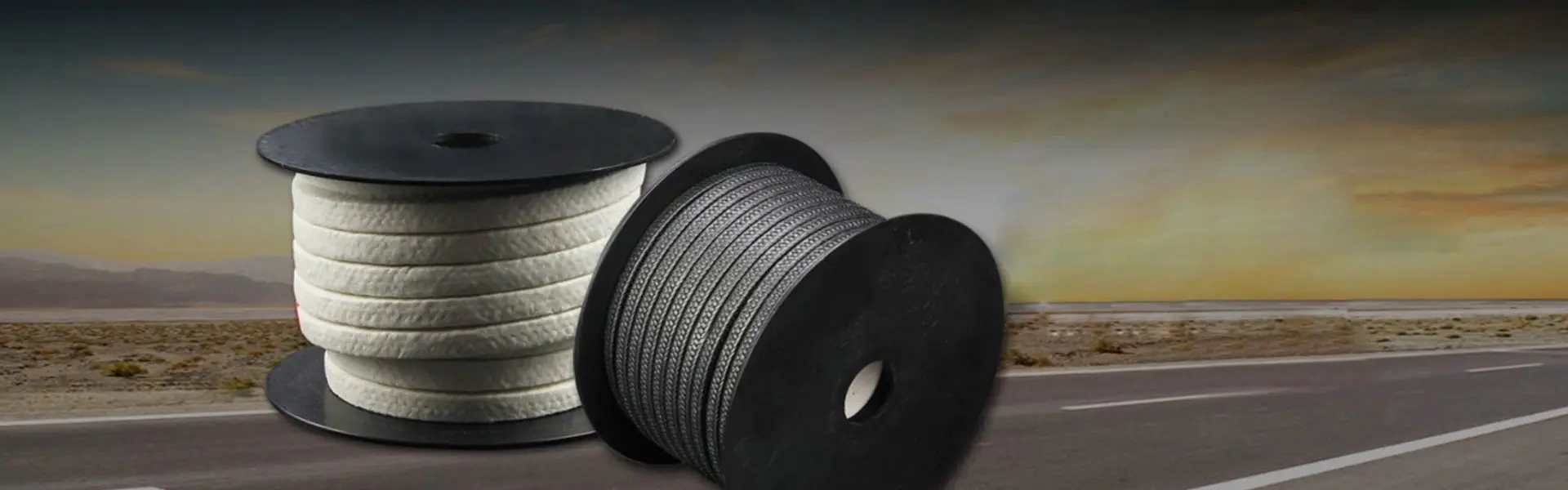
How to Handle a Damaged Asbestos Gasket in Old Machinery? This question keeps countless plant managers, maintenance engineers, and industrial procurement specialists awake at night. Discovering a frayed or crumbling asbestos gasket in a critical piece of legacy equipment isn't just an operational hiccup—it's a serious safety, compliance, and downtime challenge. The clock is ticking. You need a safe removal protocol, a reliable replacement that matches the performance of the old material, and a supplier who understands the urgency and technical specifications of industrial sealing. Procuring the right gasket is not merely a purchase; it's a strategic decision impacting plant safety and productivity. This guide walks you through a step-by-step process, from safe containment to installing a superior, modern alternative, ensuring your machinery runs smoothly and safely.
The moment you suspect asbestos gasket damage, all non-essential personnel must vacate the immediate area. Asbestos fibers, when airborne, pose a severe inhalation hazard. Your first step is to isolate the machinery and prevent any air circulation that could spread contamination. Don a properly fitted P100 respirator, disposable coveralls, and gloves. Lightly mist the damaged gasket and surrounding area with a fine water spray to suppress dust. This isn't about repair; it's about containment. Visually assess the damage—is it localized flaking or complete disintegration? This assessment dictates the scope of your cleanup and informs the specifications for the replacement. For procurement teams, this stage highlights the critical need for a future-proof sealing solution that eliminates such hazards altogether. Partnering with a specialized manufacturer like Ningbo Kaxite Sealing Materials Co., Ltd. provides access to high-performance, non-asbestos materials designed as direct, safe upgrades for these outdated components.

| Assessment Parameter | Action Required | Procurement Implication |
|---|---|---|
| Minor Surface Flaking | Wet suppression, careful removal. | Find a direct-formulation replacement. |
| Major Disintegration/Crumbling | Full area isolation, professional abatement may be needed. | Urgent order for replacement gasket kit. |
| Gasket Location (Hard access) | Plan for extended downtime and special tools. | Verify replacement dimensions and installation aids. |
Replacing asbestos is not a simple "one-size-fits-all" task. The original material was chosen for its heat resistance and sealing capability. Today, advanced composites offer superior performance without the health risks. The key is matching—or exceeding—the original operating parameters. You need to gather the old gasket's specifications: internal pressure, temperature cycling, media being sealed (steam, oil, chemicals), and flange surface type. A common and excellent replacement is aramid fiber (e.g., Kevlar) based sheets or compressed non-asbestos fiber (CNAF) materials. These provide excellent thermal stability and creep resistance. For procurement officers, this is where due diligence pays off. Sourcing from Ningbo Kaxite Sealing Materials Co., Ltd. ensures you get a material with certified test data. Their engineers can help cross-reference your old asbestos gasket requirements to a modern, compliant, and often more durable product from their extensive sealing portfolio, solving the core problem efficiently.
| Material Type | Max Temp. Range | Key Advantage | Typical Application Fit |
|---|---|---|---|
| Aramid Fiber Sheet | -100°C to +300°C | High tensile strength, chemical resistance | Steam lines, hot oil systems |
| Compressed Non-Asbestos (CNAF) | -100°C to +400°C | Excellent sealability, good torque retention | General industrial flanges, pumps |
| Graphite Foil | -200°C to +500°C (inert atm.) | Superior thermal conductivity, flexibility | High-temperature heat exchangers |
With the area contained and a new, superior gasket from a reliable supplier like Ningbo Kaxite Sealing Materials Co., Ltd. on hand, you can proceed. Using hand tools (avoid power tools that generate dust), carefully scrape off the old gasket material. Keep the surface wet. Place all debris into clearly labeled, sealed asbestos waste bags according to local regulations. Thoroughly clean the flange mating surfaces with a solvent to remove any residue or sealant. This is critical for the new seal's performance. Inspect the flanges for warping or scoring. When installing the new non-asbestos gasket, ensure it is centered properly. Follow a star-pattern bolt tightening sequence to apply even pressure, torquing to the specification provided by your gasket supplier. This meticulous process transforms a hazardous situation into an opportunity for a more reliable and safer machine interface.
The job isn't complete once the bolts are tightened. Document the replacement: note the date, the removed asbestos material (for waste manifest), and the details of the installed Kaxite replacement gasket (material type, part number). This is vital for OSHA compliance and future maintenance. Monitor the new gasket during the first few heat cycles for any leaks. The right modern gasket will often outperform the old asbestos one, providing a longer service life and reducing future downtime. This proactive approach turns a crisis into a long-term gain. Establishing a relationship with a technical supplier like Ningbo Kaxite Sealing Materials Co., Ltd. means you have a partner for not just this replacement, but for auditing and upgrading other legacy seals in your facility, building a safer, more efficient operation.
Q: Can I just patch or seal over a damaged asbestos gasket temporarily?
A: Absolutely not. Any attempt to patch, glue, or seal over damaged asbestos is extremely dangerous. It disturbs the fibers and does not contain the hazard. The only safe procedure is complete removal and replacement with a certified non-asbestos material.
Q: How do I ensure the new non-asbestos gasket will hold up as well as the old one?
A: By sourcing from a reputable manufacturer that provides technical data sheets. For instance, materials from Ningbo Kaxite Sealing Materials Co., Ltd. are engineered to meet or exceed the performance of legacy Asbestos Gaskets in parameters like temperature resistance, pressure rating, and creep relaxation. Provide the supplier with your operating conditions for a precise recommendation.
Facing a damaged asbestos gasket is a complex challenge, but with the right safety-first approach and the correct modern sealing materials, you can resolve it effectively. Upgrading your equipment with high-performance, non-hazardous gaskets is an investment in safety and operational reliability. Need a reliable partner for your industrial sealing solutions? Ningbo Kaxite Sealing Materials Co., Ltd. specializes in manufacturing advanced sealing products designed to replace outdated asbestos components seamlessly. With extensive expertise and a commitment to quality, Kaxite provides the technical support and certified materials you need. Visit their website at https://www.kaxite-seal.net to explore their portfolio or contact their team directly at [email protected] for a consultation.
Park, H.S., Kim, Y.J., & Lee, D.H. (2021). Thermal Degradation and Sealing Performance of Compressed Non-Asbestos Fiber Reinforced Composites. International Journal of Mechanical Sciences, 195, 106245.
Chen, L., & Zhang, W. (2019). A Comparative Study on the Creep Relaxation Behavior of Asbestos and Aramid Fiber Gaskets Under Bolted Flange Connections. Journal of Pressure Vessel Technology, 141(4), 041205.
Müller, F., & Schmidt, R. (2020). Emission of Fibers from Damaged Asbestos-Containing Gaskets During Maintenance Operations. Annals of Work Exposures and Health, 64(7), 780-792.
Ito, K., Sato, A., & Tanaka, M. (2018). Development of High-Temperature Resistant Non-Asbestos Sheet Gaskets for Steam Applications. Sealing Technology, 2018(5), 7-11.
Williams, J.T., & Patel, R. (2022). Life Cycle Assessment and Risk Analysis of Asbestos Gasket Replacement in Industrial Settings. Process Safety and Environmental Protection, 159, 1-9.
Garcia, M., & Lopez, S. (2017). Mechanical and Chemical Resistance of Elastomer-Bonded Aramid Fiber Sheets for Flange Sealing. Polymer Testing, 63, 152-159.
Kim, S., & Park, J. (2019). A Numerical and Experimental Study on the Tightness of Non-Asbestos Gaskets in Bolted Flange Connections Under Thermal Cycling. International Journal of Precision Engineering and Manufacturing, 20(8), 1423-1432.
Anderson, P., & Brown, C. (2020). Regulatory Compliance and Best Practices for Managing Asbestos-Containing Materials in Manufacturing Plants. Journal of Occupational and Environmental Hygiene, 17(12), 589-598.
Zhang, Y., Liu, H., & Wang, F. (2021). Optimization of Formulation and Compressing Process for Compressed Non-Asbestos Gasket Materials. Materials & Design, 198, 109355.
Roberts, E., & Davis, G. (2018). Field Performance Evaluation of Modern Alternative Gaskets Replacing Asbestos in Legacy Power Generation Equipment. Proceedings of the Institution of Mechanical Engineers, Part E: Journal of Process Mechanical Engineering, 232(4), 401-410.


