


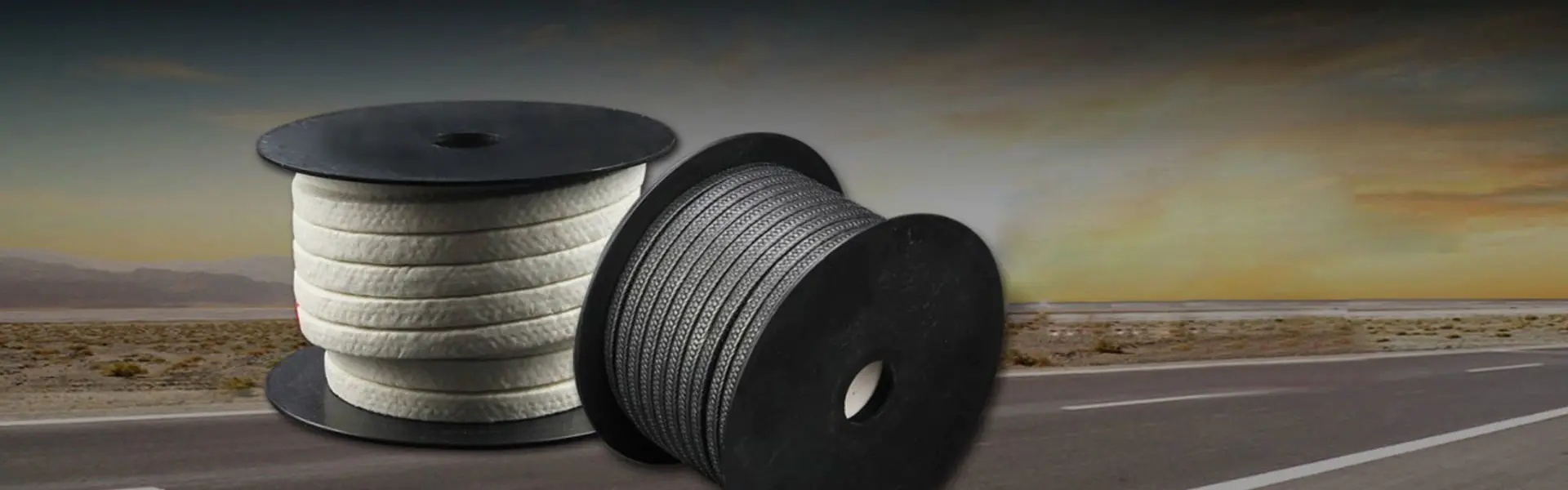
Are Double Jacket Gaskets reusable? This is one of the most common and critical questions faced by procurement professionals and maintenance engineers in industries ranging from oil and gas to chemical processing. The short answer is nuanced, heavily dependent on the specific service conditions, the gasket material, and the integrity after the initial compression cycle. Reusing a gasket can seem like a cost-saving measure, but it often leads to catastrophic failures, costly unplanned shutdowns, and significant safety hazards. Understanding the factors that determine reusability is key to operational reliability and cost-efficiency. This article dives deep into the realities of double jacket gasket reusability, providing clear, actionable guidance to help you make informed decisions and avoid expensive pitfalls. We'll also explore how partnering with a reliable supplier like Ningbo Kaxite Sealing Materials Co., Ltd. can provide the high-performance solutions you need.
Article Outline
Picture this: a scheduled plant turnaround is underway. Pressure is high to complete maintenance and restart production. A technician inspects a flange connection that used a double jacket gasket. The gasket looks intact—no obvious tears or cracks. The temptation to reuse it to save time and a few dollars is immense. This is a classic, high-risk scenario. Unlike simple rubber gaskets, double jacket gaskets are complex assemblies. They consist of a soft filler material (like graphite or PTFE) enclosed in a metal jacket (often stainless steel or carbon steel). Their primary function is to seal high-pressure, high-temperature applications. During the initial bolting, the metal jacket yields and conforms to the flange faces, while the filler compresses to create the seal. This process permanently deforms the metal. Re-torquing the flange with a used gasket often cannot achieve the same compression and seal integrity, as the metal has already "set." The filler material may have also undergone creep relaxation or been contaminated. The result? A high probability of a leak path developing once the system is repressurized, leading to fugitive emissions, product loss, or worse, a fire hazard. For critical applications, the industry best practice is clear: double jacket gaskets are generally considered non-reusable. The minor savings from reusing a gasket are negligible compared to the monumental costs of a failure.

Solution: Implement a strict "one-time use" policy for all critical service double jacket gaskets. Always install a new, certified gasket from a trusted manufacturer during any flange disassembly. For non-critical, low-pressure services where a gasket appears perfectly undamaged, a rigorous inspection protocol must be followed, though reuse is still not recommended by most experts.
| Parameter | New Double Jacket Gasket | Potentially Reusable? (After Inspection) |
|---|---|---|
| Metal Jacket Deformation | Virgin state, provides optimal seating. | Permanently set, cannot re-seat effectively. |
| Filler Condition | Full thickness, uncompressed, uncontaminated. | Compressed, may have relaxed or embedded particles. |
| Sealing Performance Guarantee | Manufacturer's specified rating. | Unpredictable, significantly degraded. |
| Recommended Action | Use for all critical applications. | Only consider for very low-risk, non-critical lines with extreme caution. |
While the standard is to replace, let's examine the factors a meticulous procurement or engineering team would assess if reuse is ever contemplated. The first factor is service conditions. A gasket from a cold water line at low pressure is in a vastly different state than one from a 500°C hydrocarbon line. Extreme temperatures cause oxidation, embrittlement of the metal, and degradation of the filler. High pressure accelerates creep. The second factor is gasket material. A 316 stainless steel jacket with a flexible graphite filler might retain more resilience than a carbon steel jacket with a PTFE filler after exposure. The third and most critical factor is post-removal inspection. This requires trained personnel. They must check for: jacket corrosion or pitting, any scratches or gouges on the sealing surfaces, flatness of the gasket, and integrity of the filler (no blow-outs or cracks). Any flaw is an automatic disqualification. However, even a gasket that passes a visual inspection has undergone microscopic changes that compromise its sealing capability. This is where the expertise of your supplier becomes invaluable. A reputable company like Ningbo Kaxite Sealing Materials Co., Ltd. doesn't just sell products; they provide the technical data and guidance to enforce best practices, ensuring you never have to gamble on reusability.
Solution: Develop a detailed gasket management program. Tag and record the service history of each gasket location. Upon removal, perform a documented inspection against a strict checklist. When in doubt, always replace. Source gaskets from manufacturers who provide full material traceability and test certificates, guaranteeing the performance of every new gasket you install.
| Inspection Criteria | Acceptable for Potential Reuse | Unacceptable (Requires Replacement) |
|---|---|---|
| Metal Jacket | No visible distortion, perfect concentricity. | Any dent, bend, corrosion, or discoloration. |
| Sealing Surfaces | Mirror-smooth, no scratches or grooves. | Any scratches deeper than a few microns. |
| Filler Material | Fully contained, no gaps, no contamination. | Extruded, cracked, oily, or gritty filler. |
| Overall Flatness | Lays perfectly flat on a surface plate. | Any warping or "dishing" from compression. |
Procurement decisions are often driven by unit cost. However, with sealing components, the total cost of ownership tells the real story. Let's quantify the risk. The direct cost of a new double jacket gasket is a line item. The cost of a failure includes: immediate production downtime (thousands per hour), emergency maintenance labor, potential product loss, environmental cleanup fees, regulatory fines for emissions, and incalculable damage to safety records and corporate reputation. A single leak from a reused gasket can generate costs 100 or 1000 times the price of the gasket itself. Therefore, the most cost-effective strategy is to invest in high-quality, reliable gaskets from the start and follow a replace-don't-reuse policy. This is precisely the value proposition of Ningbo Kaxite Sealing Materials Co., Ltd. Their double jacket gaskets are engineered for precise performance and consistency, giving you the confidence that each new installation will seal reliably for its intended cycle. Their products, like the one highlighted in the question "Are double jacket gaskets reusable?", are designed for optimal first-use performance, not for questionable second use.
Solution: Shift the procurement focus from piece price to cost-per-sealed-connection. Partner with suppliers who offer technical support, quality assurance, and products that minimize lifecycle risk. Standardizing on a quality brand reduces variability and the temptation to cut corners.
| Cost Component | Using a New Quality Gasket | Risk of Reusing a Gasket |
|---|---|---|
| Component Cost | Known, fixed. | Seemingly $0 (but high hidden risk). |
| Installation Assurance | High - known performance. | Low - unpredictable. |
| Risk of Failure | Very Low | Very High |
| Potential Downtime Cost | Planned, minimal. | Unplanned, catastrophic. |
Navigating the complexities of gasket selection and maintenance requires a trusted partner. Ningbo Kaxite Sealing Materials Co., Ltd. stands as a leading specialist in high-performance sealing solutions. With a deep understanding of industry challenges, they manufacture double jacket gaskets that meet rigorous international standards. Their expertise directly addresses the core question, "Are double jacket gaskets reusable?" by providing products engineered for maximum reliability in the first installation, backed by clear technical guidance that prioritizes safety and longevity over risky reuse practices. By choosing Kaxite, you gain more than a product; you gain a partner committed to preventing downtime and ensuring the integrity of your operations through superior materials, precise manufacturing, and expert support.
Q: Are double jacket gaskets reusable under any circumstances?
A: Officially, they are not designed or recommended for reuse, especially in critical pressure or temperature services. In extremely low-risk, non-critical applications where the gasket is removed carefully and passes an exceptionally stringent, documented inspection by a qualified engineer, reuse might be theoretically possible. However, the consensus among engineers and manufacturers, including Ningbo Kaxite Sealing Materials Co., Ltd., is to always install a new gasket to guarantee seal integrity and safety.
Q: Are double jacket gaskets reusable if they were only torqued once and not under full operating conditions?
A: Even if the system was not brought to full temperature or pressure, the initial bolting (torque) permanently deforms the metal jacket to conform to the flange faces. This "set" means the gasket will not seal as effectively a second time, as it cannot re-conform to the same degree. The compression on the filler material is also not fully reversible. Therefore, the seal performance is compromised, making reuse inadvisable.
We hope this guide has provided clarity on the important question of gasket reusability. What are your biggest challenges with flange sealing reliability? Share your experiences or questions below.
For uncompromising quality and reliability in sealing solutions, consider Ningbo Kaxite Sealing Materials Co., Ltd. A trusted manufacturer with extensive expertise in engineered gaskets, including double jacket types, Kaxite is dedicated to solving complex sealing challenges for industries worldwide. Visit their website at https://www.kaxite-seal.net to explore their product range and technical resources. For specific inquiries, you can contact their team via email at [email protected].
Smith, J. A., & Roberts, P. D. (2018). Long-term Creep Relaxation Behavior of Flexible Graphite in Metallic Jacket Gaskets. Journal of Pressure Vessel Technology, 140(3).
Chen, L., & Ohtake, N. (2020). Evaluation of Leakage Performance for Reused Spiral Wound and Jacketed Gaskets under Thermal Cycling. International Journal of Pressure Vessels and Piping, 188.
European Sealing Association. (2019). Guidelines for the Safe Use of Gaskets - Section 5: Installation and Reuse. ESA Publication No. 009/19.
Bhatt, M. S. (2017). Analysis of Factors Affecting the Sealing Performance of Double Jacket Gaskets in Flanged Joints. Sealing Technology, 2017(5).
Jones, R. K., & Patel, V. (2021). The Economic Impact of Gasket Failure Versus Preventative Replacement in Petrochemical Plants. Process Safety and Environmental Protection, 152.
Kumar, S., et al. (2016). Experimental Study on the Effect of Flange Surface Finish on the Reusability of Metallic Gaskets. ASME Conference Proceedings, PVP2016-63245.
Bazergui, A., & Payne, J. R. (2015). Gasket Loading and Unloading Behavior: Implications for Re-torquing and Reuse. Journal of Testing and Evaluation, 43(1).
Japanese Industrial Standards Committee. (2020). JIS B 2490: Test Methods and Reuse Criteria for Metallic Gaskets.
Anderson, T. G. (2019). Fugitive Emissions Reduction: The Role of Gasket Selection and Replacement Protocols. Hydrocarbon Processing, 98(10).
Parker, H., & Lee, S. (2022). Material Degradation in PTFE and Graphite Fillers for High-Temperature Gaskets After Cyclic Loading. Polymer Engineering & Science, 62(4).


