


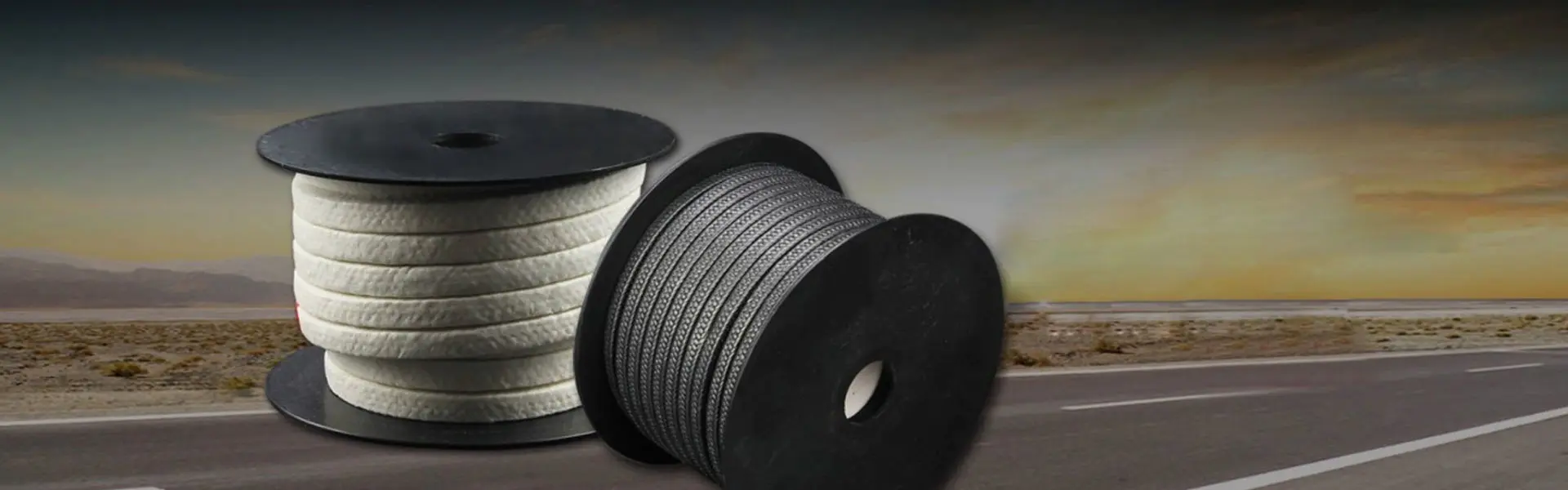
As a cornerstone of modern sealing manufacturing, Machines for braiding packing are engineered to produce high-quality, durable, and reliable braided seals and packings. These specialized machines interlace yarns, fibers, filaments (such as aramid, carbon, PTFE, or fiberglass), and sometimes metallic wires into dense, uniform, and dimensionally stable braided structures. The resulting products are essential components used across industries—from aerospace and automotive to chemical processing and marine applications—to prevent leakage of fluids and gases under extreme pressures and temperatures. At Kaxite Seals, we design and manufacture advanced braiding machinery that sets the standard for precision, efficiency, and longevity in the production of sealing solutions.
Our machines for braiding packing incorporate state-of-the-art technology and robust engineering. Key features include:
The performance and capability of a braiding machine are defined by its specifications. Below is a detailed breakdown of the standard and optional parameters for Kaxite Seals machines.
| Parameter | Specification Range / Detail |
|---|---|
| Model Series | KX-BM Series (Standard Horizontal Braiders) |
| Number of Carriers (Bobbin Holders) | 16, 24, 32, 48, 64, 72 (Customizable) |
| Braiding Diameter Range | 1 mm to 150 mm (Dependent on carrier count and setup) |
| Braiding Speed | 30 - 120 picks per minute (PPM), electronically adjustable |
| Yarn/Filament Compatibility | All major sealing materials: PTFE, Aramid, Graphite, Carbon, Fiberglass, Cotton, Metallic wires |
| Bobbin Size | Standard: 3" flange diameter (Custom bobbin holders available) |
| Drive System | AC Servo Motor with precision gearbox |
| Control System | Industrial-grade PLC with Color Touchscreen HMI |
| Power Requirements | 380V / 50Hz (3-phase) or customizable to 220V / 60Hz |
| Machine Footprint (LxWxH) | Approx. 2.5m x 2.0m x 1.8m (Varies by model) |
| Net Weight | 1500 kg - 3500 kg (Varies by model and configuration) |
| Upgrade Option | Description & Benefit |
|---|---|
| Automatic Tension Control (ATC) | Real-time sensors and servo-adjustments for each carrier to maintain perfect tension, crucial for high-spec aerospace or automotive packings. |
| Integrated Impregnation Unit | In-line system to apply PTFE dispersion, lubricants, or other sealing compounds directly during the braiding process. |
| Laser Diameter Gauge | Non-contact, real-time measurement of braid diameter with feedback loop to automatically adjust machine parameters for consistent product size. |
| Yarn Breakage Detection System | Automatically stops the machine and identifies the specific carrier if a yarn breaks, preventing waste and ensuring product integrity. |
| Advanced Take-up Systems | Motorized winders, spoofers, or coilers with programmable length and tension for finished product handling. |
| Data Logging & Connectivity | Industry 4.0 ready. Ethernet/IP or Modbus TCP for integration into factory networks, providing OEE data, production reports, and predictive maintenance alerts. |
Q: What types of braided packing can be produced with these machines?
A: Kaxite Seals braiding machines are highly versatile and can produce a wide array of braided packings. This includes square braid, round braid, interlocked braid, and laminated (multi-layer) braid styles. They are compatible with core materials (like rubber or filament cores) and can handle various impregnations. Common end products are valve stem packing, pump packing, flange gaskets, expansion joint seals, and braided ropes used in high-temperature or high-pressure environments.
Q: How do I determine the right number of carriers for my production needs?
A: The number of carriers directly influences braid density, production speed, and the feasible diameter range. For finer, smaller diameter packings (1-10mm), a 16 or 24-carrier machine is often sufficient. For standard industrial packing sizes and higher output, 32 or 48-carrier machines are the most common. For very dense, large-diameter braids (over 50mm) or for complex multi-layer structures, 64 or 72-carrier machines are recommended. Our Kaxite Seals technical team can analyze your target product specifications to recommend the optimal configuration.
Q: What is the role of the control system in a modern braiding machine?
A: The control system is the brain of the machine. In Kaxite Seals machines, the PLC-based control allows operators to store hundreds of braiding programs (speed, pattern, length). The touchscreen HMI provides an intuitive interface for quick changeovers. More advanced functions include fault diagnostics, production counters, and integration with peripheral equipment. Precise control over carrier speed and take-up speed is critical for achieving the correct picks-per-inch (PPI) and overall braid quality.
Q: How does Kaxite Seals ensure the durability and low maintenance of its machines?
A: Durability is engineered into every component. We use high-grade cast iron or steel for the main frame and horn gears to absorb vibrations. Critical wear parts like horn gears, carriers, and tracks are precision-machined from hardened steel or coated with wear-resistant materials. The standard inclusion of an automatic centralized lubrication system ensures all bearings and sliding surfaces are consistently oiled, drastically reducing friction and wear. Furthermore, our modular design simplifies any required maintenance or part replacement.
Q: Can your machines handle specialty materials like PTFE or carbon fiber?
A: Absolutely. Kaxite Seals machines are designed to be material-agnostic. For abrasive materials like carbon fiber or fiberglass, we can equip carriers with ceramic or specially coated guides to minimize filament wear. For slippery materials like PTFE or UHMWPE, our tension control systems are calibrated to prevent slack without stretching the yarn. We also offer solutions for blending different materials (e.g., aramid with copper wire) in a single braid to create hybrid packings with unique properties.
Q: What kind of training and after-sales support does Kaxite Seals provide?
A: We provide comprehensive support throughout the machine's lifecycle. This includes detailed installation supervision by our engineers, on-site operational and maintenance training for your technicians, and provision of extensive manuals (electronic and printed). Our after-sales support features a readily available stock of spare parts, remote diagnostic assistance via internet connection, and optional annual service contracts. Our goal is to ensure maximum uptime and productivity for your investment.
Q: Are these machines suitable for transitioning from manual or older automatic braiders?
A: Yes, upgrading to a Kaxite Seals machine is a significant step towards automation and quality improvement. Our machines offer much higher consistency, repeatability, and output rates compared to manual methods or older generation automatics. The learning curve is managed through our structured training. The efficiency gains—reduced material waste, lower labor dependency, and fewer rejects—typically lead to a rapid return on investment (ROI) for manufacturers making such a transition.
The choice of machine and its setup is heavily influenced by the end-use application. Different industries demand packings with specific performance characteristics.
Kaxite Seals works closely with clients to understand these application challenges, ensuring the braiding machine supplied is perfectly tuned to produce the packing that meets the exacting standards of their industry.


