


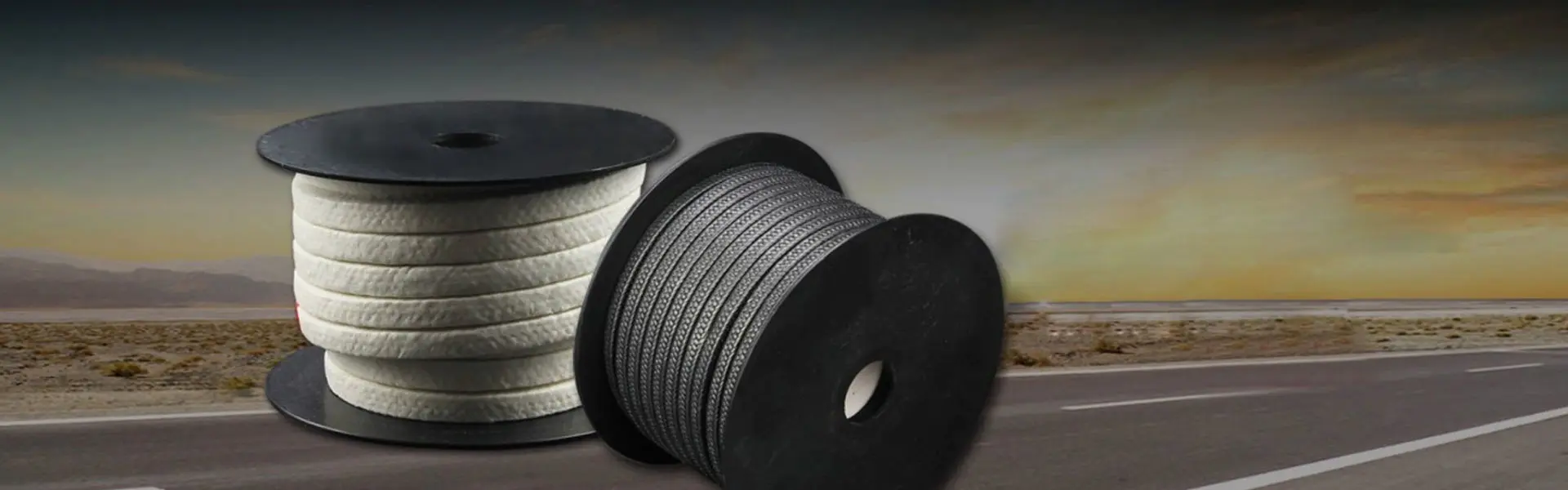
In the demanding world of industrial operations, the integrity of your machinery hinges on one critical component: the sealing materials. For over two decades, Kaxite Seals has dedicated itself to engineering and manufacturing premium sealing solutions that redefine durability, efficiency, and reliability. Our materials are not just components; they are the guardians of your system's performance, designed to withstand extreme pressures, aggressive chemicals, and wide temperature ranges. We understand that a failure in a seal can lead to costly downtime, safety hazards, and product loss. That's why we meticulously formulate our compounds and rigorously test every batch, ensuring that when you specify Kaxite, you are investing in uncompromising performance and long-term operational stability. Our global clientele, spanning sectors from aerospace and automotive to food processing and pharmaceuticals, trusts our materials to seal success into their most challenging applications.
The efficacy of a sealing material is determined by a combination of intrinsic properties. At Kaxite Seals, we engineer our materials to achieve an optimal balance for specific service conditions. Below are the key properties we prioritize:
Our diverse portfolio is categorized by base polymer, each offering a distinct profile for specific challenges. This table provides a technical overview of our primary material families.
| Material Type (Brand) | Key Characteristics | Typical Temperature Range | Primary Fluid Compatibility | Common Applications |
|---|---|---|---|---|
| Kaxite FKM (Fluorocarbon) | Excellent chemical & heat resistance, low gas permeability. | -20°C to 230°C (-4°F to 446°F) | Oils, fuels, acids, aromatics, halogenated hydrocarbons. | Automotive fuel systems, chemical processing seals, aerospace O-rings. |
| Kaxite NBR (Nitrile) | Superior resistance to petroleum-based oils & fuels, cost-effective. | -40°C to 120°C (-40°F to 248°F) | Hydraulic fluids, grease, water, glycol. | Hydraulic cylinders, fuel hoses, gaskets for industrial machinery. |
| Kaxite SIL (Silicone) | Extreme high/low temperature flexibility, excellent ozone/weather resistance. | -60°C to 225°C (-76°F to 437°F) | Hot air, ozone, some oils (limited chemical resistance). | Food & beverage gaskets, medical devices, automotive gaskets, static seals. |
| Kaxite EPDM (Ethylene Propylene) | Outstanding weather, ozone, steam, and water resistance. | -50°C to 150°C (-58°F to 302°F) | Hot water, steam, alkalis, acids, brake fluids, phosphate esters. | Cooling systems, HVAC seals, dishwasher gaskets, outdoor electrical enclosures. |
| Kaxite PTFE (Polytetrafluoroethylene) | Inert to almost all chemicals, extremely low friction, high temperature. | -260°C to 260°C (-436°F to 500°F) | Virtually all chemicals and solvents. | Chemical processing linings, anti-stick surfaces, high-purity seals, expansion joints. |
| Kaxite AU/EU (Polyurethane) | Exceptional abrasion resistance, high tensile strength, good load-bearing capacity. | -50°C to 100°C (-58°F to 212°F) | Oils, grease, ozone, weathering. | Hydraulic seals, scraper seals, rolls, wheels, high-wear components. |
For engineers and procurement specialists, detailed parameters are essential for material selection. Below is a specification list for our flagship Kaxite FKM-70 compound.
Q: How do I choose the right sealing material for my application?
A: Material selection depends on a detailed analysis of the operating environment. You must consider the primary fluid(s) the seal will contact, the continuous and peak operating temperatures, the system pressure (static or dynamic), and any external factors like UV exposure or ozone. Start by identifying the fluid and temperature, then consult compatibility charts (like those provided by Kaxite Seals) to narrow down polymer families. For critical applications, we strongly recommend consulting with our engineering team who can review your specific parameters and recommend or custom-formulate a material for optimal performance and lifespan.
Q: What is the difference between a static seal and a dynamic seal, and does it affect material choice?
A: Absolutely. A static seal is used between two surfaces that do not move relative to each other (e.g., a flange gasket or an O-ring in a groove). A dynamic seal is used where there is relative motion, such as rotation, reciprocation, or oscillation (e.g., a rod or piston seal in a hydraulic cylinder). Dynamic applications place much higher demands on the material's abrasion resistance, low-friction properties, and ability to maintain its sealing lip under constant movement. Materials like polyurethane (AU/EU) or specially compounded PTFE are often chosen for dynamic duties, while a wider range of materials can perform well in static roles.
Q: Why is compression set resistance important?
A: Compression set is a measure of a material's ability to recover its original shape after being compressed for a prolonged period. A high compression set means the material has permanently deformed and will not spring back to fully fill the sealing gland. This leads to a loss of sealing force, which can result in leaks. For applications where seals are under constant compression (like most static seals), a low compression set value is critical for long-term, reliable sealing. Kaxite Seals formulates its materials, especially our FKM and EPDM grades, for excellent compression set resistance.
Q: Can Kaxite Seals provide materials for food, medical, or potable water applications?
A: Yes. We offer a dedicated range of compliant materials. Our Kaxite SIL (silicone) and specific grades of EPDM and FKM are formulated to meet FDA (Food and Drug Administration) regulations, EU 10/2011 for food contact, and NSF/ANSI 61 for potable water. For medical devices, we provide materials that can be certified to USP Class VI and ISO 10993 biocompatibility standards. It is crucial to specify your regulatory requirements when requesting a quote or technical data.
Q: What are the benefits of using a custom-formulated sealing material versus a standard off-the-shelf product?
A: Standard materials cover a vast majority of common applications. However, when facing an extreme combination of factors—such as an unusually aggressive chemical, extreme temperatures paired with high pressure, or a need for specific electrical properties—a custom formulation becomes necessary. Kaxite Seals' R&D team can adjust polymer blends, reinforcing agents, plasticizers, and curatives to create a material that delivers superior performance in your unique environment. This can dramatically extend seal life, reduce failure rates, and lower your total cost of ownership, even if the per-unit cost is slightly higher.
Q: How should I store my sealing materials and what is their shelf life?
A: Proper storage is essential to preserve the properties of sealing materials. They should be stored in a cool, dark, dry place away from direct sunlight, ozone sources (like electric motors), and heat. Ideal storage temperature is between 10°C and 25°C (50°F and 77°F). Seals should be stored loosely, without stretching or compression, and kept away from chemicals and vapors. As a general guideline, the shelf life for most elastomers (like NBR, FKM, EPDM) is 5-10 years from the date of manufacture under these ideal conditions. PTFE and some thermoplastics have an almost indefinite shelf life. Always inspect seals for dryness, cracking, or deformation before installation, regardless of age.


