


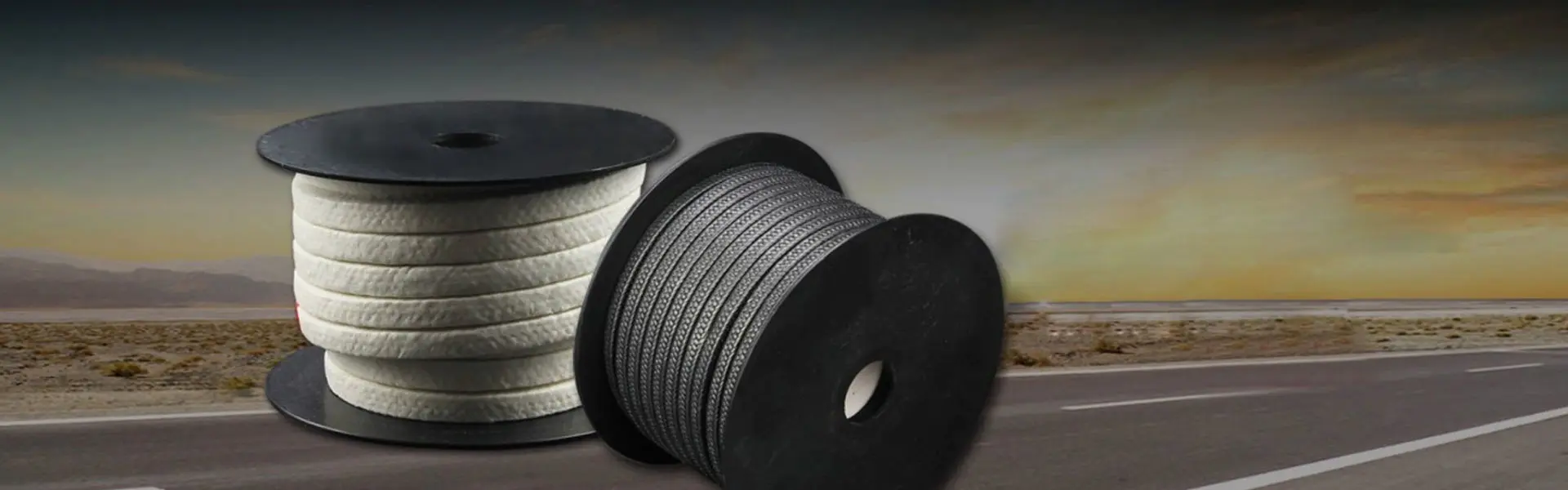
In the demanding world of industrial maintenance, pipeline integrity, and mechanical assembly, the quality and precision of your sealing tools directly determine the success, safety, and longevity of your work. A proper seal prevents leaks, contains pressure, and protects systems from contamination, making the choice of tooling not just a matter of convenience, but of critical performance. For professionals who refuse to compromise, understanding the specifications, applications, and proper use of these tools is paramount. This comprehensive resource delves into the technical details of premium sealing tools, offering the insights expected by seasoned engineers and procurement specialists.
At Kaxite Seals, we have dedicated decades to engineering sealing solutions that meet the extreme challenges of modern industry. Our tools are not merely accessories; they are precision instruments designed to work in perfect harmony with our high-performance seals, ensuring a flawless installation every time and maximizing the service life of the sealing component.
The right tool for the job is a non-negotiable principle. Sealing toolkits are typically categorized by their primary function in the installation and maintenance process.
The superiority of a tool lies in its material composition, dimensional accuracy, and ergonomic design. Below are detailed specifications for a representative range of Kaxite Seals professional tooling, illustrating the engineering rigor applied to every product.
| Kit Model | Primary Application | Key Tools Included | Material Grade | Ideal For |
|---|---|---|---|---|
| KS-TK-BASIC | General Purpose Maintenance | 5 installation tools, 1 slide hammer puller, groove cleaner | Chrome-plated steel | Field service, on-site repairs, general workshops |
| KS-TK-PRO | Hydraulic & Pneumatic Systems | Full installation/removal set, groove gauges, surface finish comparator, O-ring picks | Hardened Cr-V Steel, anodized aluminum | Hydraulic repair shops, manufacturing assembly lines |
| KS-TK-ELITE | Precision Engineering & Aerospace | Full KS-PRO kit plus digital caliper, torque screwdriver set, certified calibration report | Stainless Steel 440C, vacuum-sealed packaging | Cleanroom assembly, aerospace MRO, high-precision manufacturing |
Why can't I just use a screwdriver or pry bar to install or remove a seal?
Using improvised tools is the leading cause of seal failure during installation. A screwdriver can easily nick or cut the seal elastomer, score the critical sealing surface on the shaft or housing, or cause the seal to be installed crookedly (cocked). Even a microscopic scratch can become a leak path. Professional tools are designed with the correct hardness, radius, and geometry to manipulate the seal without damaging it or its mating surfaces.
How do I choose the right installation tool tip for a specific seal?
The tool tip must match the seal type and installation path. A flat, broad tip is used for pushing seals straight down into a bore over a shaft. An angled tip (often 45°) is ideal for rolling an O-ring into a groove. A pointed or rounded tip can help start a seal into a tight space. The Kaxite Seals installation guides and tool kits provide clear cross-sectional diagrams showing the recommended tool angle and approach for each seal profile.
What is the single most important measurement before installing a seal?
Verifying the groove dimensions is critical. Even a new, correctly specified seal will fail if the groove it sits in is too shallow, too deep, too wide, or too narrow. This affects seal compression, fill ratio, and ultimately, sealing force. Always use a groove depth gauge and caliper to check the groove against the seal manufacturer's drawing before proceeding. A mismatched groove is a root cause of leakage.
Do I need to lubricate a seal during installation, and if so, with what?
Yes, lubrication is almost always recommended. It reduces friction, prevents rubber from tearing or rolling, and allows the seal to slide smoothly into place. The lubricant must be compatible with both the seal material and the system fluid. For general purposes, a light coat of the system fluid itself is often suitable. For dry systems, use a silicone-based lubricant for most elastomers. Avoid petroleum-based greases with certain materials like EPDM or silicone seals, as they can cause swelling.
How can I tell if my old sealing tools need to be replaced?
Regularly inspect your tools for signs of wear. Key indicators include: visible nicks, dents, or rounding on the working tips; corrosion or pitting on the metal; cracks in handles; and for measurement tools, failure to calibrate accurately. A worn tool tip has lost its precise geometry and will act more like an improvised tool, increasing the risk of installation damage. Kaxite Seals recommends an annual inspection and calibration check for precision tooling.
Are torque specifications important when using sealing tools?
Absolutely, especially when dealing with bolted flange connections using gaskets or when using driver handles on installation tools. Under-torquing can lead to insufficient gasket compression and leakage. Over-torquing can crush a gasket, distort flanges, or strip threads, leading to catastrophic failure. Always follow the torque sequence and values specified by the equipment or seal manufacturer. Using a calibrated torque wrench is a hallmark of professional practice.
What makes Kaxite Seals tools different from generic brand tooling?
Kaxite Seals tools are engineered as a system with our seals. The dimensions, radii, and angles are calculated to match our seal profiles perfectly. We use higher-grade materials that resist deformation and wear longer. Our manufacturing process includes strict heat-treatment and finishing steps to ensure consistency and durability. Furthermore, every tool is supported by detailed application data, ensuring you have not just a tool, but the correct technical knowledge for its use.


