


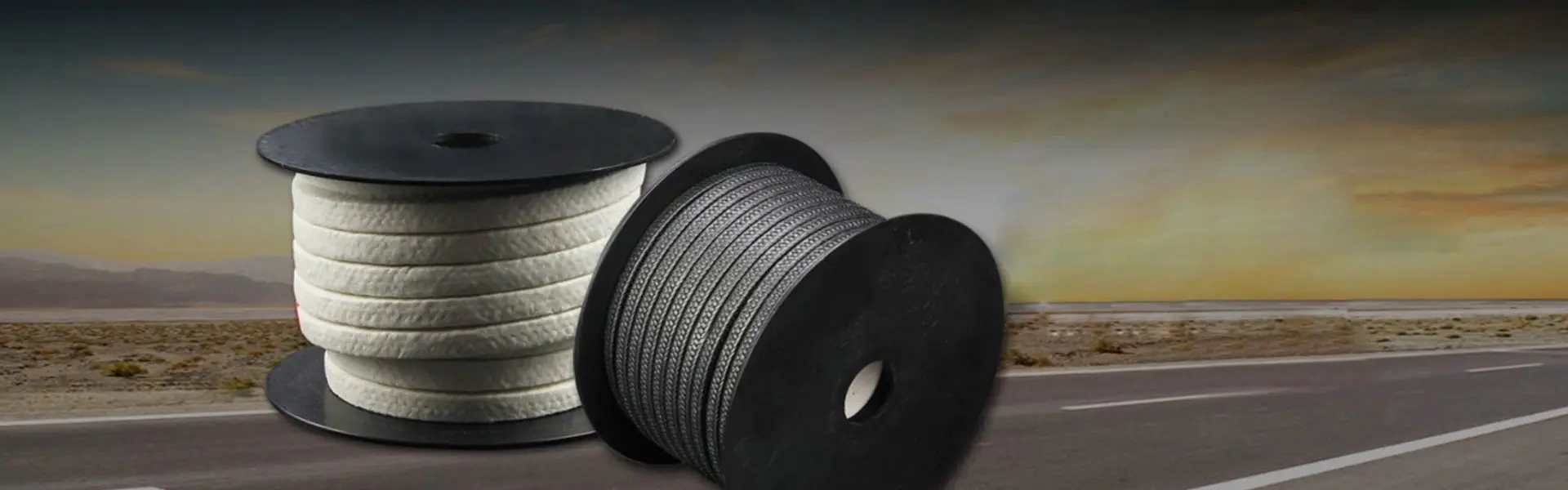
How to properly install and maintain gaskets made from different materials? This question is crucial for plant managers, maintenance engineers, and procurement specialists who understand that a failed seal can lead to costly downtime, safety hazards, and product loss. Gaskets are the silent workhorses of industrial operations, creating a reliable barrier between fluids and gases under pressure and temperature extremes. However, their performance is not guaranteed by material alone; proper installation and meticulous maintenance are equally critical. A common oversight is treating all gaskets the same, leading to premature failure of a costly mechanical seal or a critical flange connection. This comprehensive guide will walk you through the best practices for handling gaskets across various materials, ensuring longevity, safety, and optimal system performance. By mastering these techniques, you can significantly reduce maintenance costs and unplanned shutdowns.
Article Outline:
Imagine a chemical processing line where a sudden leak of corrosive fluid forces an emergency shutdown. The root cause? An inexpensive rubber gasket deteriorated rapidly when exposed to a specific chemical, a scenario that could have been prevented with proper material selection. The first step in proper installation and maintenance begins long before the gasket reaches the flange. Selecting the appropriate material is paramount. Different environments demand different properties: resistance to chemicals, extreme temperatures, pressure, and compression set. For instance, a PTFE gasket excels in highly corrosive applications, while a high-grade graphite gasket is ideal for extreme temperatures in heat exchangers. How to properly install and maintain gaskets made from different materials starts with understanding their inherent strengths and limitations. Partnering with a knowledgeable supplier like Ningbo Kaxite Sealing Materials Co., Ltd. is invaluable here. Their technical team can help you navigate material specifications to match your exact operating conditions, preventing costly misapplications.

Key Material Selection Parameters:
| Material | Best For | Temperature Range | Key Limitation |
|---|---|---|---|
| NBR Rubber | Oil, fuel, water | -40°C to 120°C | Poor for solvents, ozone |
| EPDM Rubber | Steam, hot water, weathering | -50°C to 150°C | Not for petroleum oils |
| PTFE | Strong acids, bases, chemicals | -260°C to 260°C | High cold flow (creep) |
| Compressed Non-Asbestos | General industrial flanges | -100°C to 400°C | Varies by binder/filler |
| Flexible Graphite | High temp, corrosive services | -240°C to 3000°C (inert) | Requires low oxygen environment |
| Spiral Wound (SS/Graphite) | High pressure/temperature flanges | -240°C to 800°C | Higher cost, precise installation needed |
A procurement manager sources a premium spiral wound gasket for a high-pressure steam line, but during installation, the crew uses an impact wrench and uneven bolt tightening, causing a distorted seal and an immediate leak upon startup. This frustrating waste of time and money highlights that even the best gasket can fail with poor installation. The process for how to properly install and maintain gaskets made from different materials requires a disciplined, step-by-step approach. Start with inspecting the gasket and flange surfaces for any damage, dirt, or old gasket residue. Clean surfaces are non-negotiable. Carefully position the gasket, ensuring it is centered. Follow a cross-pattern bolting sequence, tightening in multiple passes to the manufacturer's specified torque value. This ensures even compression and distribution of the sealing stress. For materials like PTFE that are prone to cold flow, or soft graphite that can be easily damaged, extra care in handling and alignment is critical. Using a calibrated torque wrench is a simple investment that pays for itself by preventing failures.
Six months after a perfect installation, a slow weep develops on a pump's gland seal. The maintenance schedule calls for a full teardown, but a simple routine check could have identified the early signs of gasket relaxation or minor corrosion. Proactive maintenance is the companion to proper installation. It involves regular visual inspections for leaks, monitoring bolt load (re-torquing if necessary, especially after the first heat cycle), and keeping records of gasket performance in specific services. When planning shutdowns, inspect used gaskets carefully; their condition tells a story about the application's suitability and the installation's quality. For complex or critical applications, consulting with your gasket supplier for a maintenance review can be highly beneficial. Companies like Ningbo Kaxite Sealing Materials Co., Ltd. often provide technical support and failure analysis, helping you refine your maintenance protocols and select even more durable solutions for the next cycle, ultimately driving down total cost of ownership.
Common Questions on Gasket Installation & Maintenance:
Q: Can I re-use a gasket after disassembling a connection?
A: It is generally not recommended. Most gaskets are designed to compress and conform to the flange faces once. Re-using them often leads to leaks because the material has already taken a set and cannot adequately re-seal. Exceptions might be made for certain solid metal gaskets, but inspection for scratches or deformation is essential.
Q: How important is the surface finish of the flange for gasket performance?
A: Extremely important. A flange surface that is too rough can cut into a soft gasket, while one that is too smooth may not provide enough "bite" for the gasket to grip. The ideal finish is a controlled, serrated pattern (e.g., 125-250 µin Ra for soft gaskets). Always check the gasket manufacturer's recommendation for the optimal surface finish.
Navigating the intricacies of material science, installation torque, and maintenance schedules can be daunting. This is where a partnership with a dedicated sealing expert becomes a strategic advantage. Ningbo Kaxite Sealing Materials Co., Ltd. is more than just a supplier; it is a solutions provider focused on preventing your sealing failures. With a deep understanding of how to properly install and maintain gaskets made from different materials, Kaxite offers comprehensive support. From assisting with the initial material selection based on your chemical and physical requirements to providing detailed installation guides and technical data sheets for their products, they empower your team. Their extensive range, including spiral wound gaskets, flexible graphite, PTFE, and rubber sheets, is manufactured to international standards, ensuring quality and consistency. By choosing Kaxite, you gain a reliable partner committed to maximizing your equipment's uptime and operational safety.
We hope this guide empowers you to achieve leak-free operations. Do you have a specific gasket challenge or application question? Our team of experts is ready to help you find the optimal sealing solution.
For reliable sealing solutions backed by technical expertise, consider Ningbo Kaxite Sealing Materials Co., Ltd.. With a commitment to quality and performance, Kaxite provides a wide range of gaskets designed for demanding industrial applications. Contact their team today at [email protected] to discuss your requirements.
Supporting Research & Further Reading:
Bickford, J. H. (1995). Gasket and Gasked Joints. In An Introduction to the Design and Behavior of Bolted Joints (3rd ed.). Marcel Dekker.
Bazergui, A., & Marchand, L. (1999). Development of a Test Procedure for Gasket Creep Relaxation. Journal of Pressure Vessel Technology, 121(2).
Payne, J. R., & Bazergui, A. (1990). Elevated Temperature Testing of Gasket Materials. Journal of Testing and Evaluation, 18(5).
Bouzid, A. H., & Derenne, M. (2002). The Effect of Flange Rotation on the Leakage of Gasketed Bolted Joints. Journal of Pressure Vessel Technology, 124(1).
ASME Boiler and Pressure Vessel Code, Section II, Part D - Properties (Customary) (2021). The American Society of Mechanical Engineers.
European Sealing Association (ESA). (2018). Guideline 021 - Gasket Installation and Assembly Procedures.
Fukuoka, T., & Takaki, T. (2003). Finite Element Analysis of Bolt Tightening Process in a Gasketed Flange Connection. Journal of Pressure Vessel Technology, 125(3).
Nash, D. H., & Abid, M. (2000). Experimental and Numerical Study of Bolted Flange Connections. International Journal of Mechanical Sciences, 42(8).
Brown, S. J., & Jones, R. L. (1997). Chemical Resistance of Non-Metallic Gasketing Materials. Sealing Technology, 1997(35).
Parker Hannifin Corporation. (2019). O-Ring and Gasket Materials Chemical Compatibility Guide. Parker Hannifin PRC Series.


